The transport situation in Spain has once again come under the spotlight following recent incidents on two of the country’s busiest high-speed rail routes. The closure of the Madrid–Seville line due to an accident in Adamuz (Córdoba) and restrictions on the Madrid–Barcelona route have not only caused chaos among passengers, but also triggered a sharp increase in prices for alternative means of transport. For many Spaniards, this has been an unexpected blow to their budgets, as familiar routes became inaccessible and the cost of plane, bus, and car rental tickets soared to unprecedented heights.
In response to a wave of discontent and complaints, the national ombudsman (Defensor del Pueblo), Ángel Gabilondo, has launched an official investigation into the actions of transport companies. His inquiry, addressed to the Ministry of Consumer Affairs and the Competition and Markets Commission, aims to determine what measures will be taken to prevent unjustified surcharges and potential abuses by carriers. The agency is demanding explanations on how tariffs will be monitored and what steps will be taken to prevent similar situations in the future.
Authorities’ response
Gabilondo emphasizes that passengers should not suffer twice: first from railway disruptions, and then from inflated prices for alternative routes. In his view, companies are obliged to contain fare increases, especially during periods of transport crises. In recent weeks, ticket prices for planes and buses on routes between Madrid–Seville and Madrid–Barcelona have risen noticeably, sparking a strong public reaction both in society and on social media.
Transport Minister Óscar Puente publicly thanked Iberia for its decision not to raise prices on flights replacing the canceled Renfe, Ouigo, and Iryo trains. However, many other carriers did not follow this example, further escalating tensions. As a result, air travel, which had lost popularity on these routes in recent years, has once again become in demand—despite continued distrust in the rail network after the accidents in Adamuz and Gelida (Barcelona).
Passengers and the market
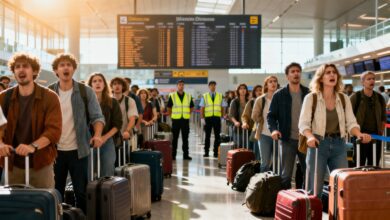
Passengers caught in the middle had no choice but to seek alternative ways to reach their destinations. For many, this meant extra expenses they hadn’t planned for. The problem hit especially hard for those who regularly rely on high-speed trains for work or family trips. Dozens of accounts have surfaced on social media describing how bus and plane ticket prices doubled, sometimes even tripled compared to regular days.
Experts note that such price surges often occur during periods of widespread transport disruptions. Companies take advantage of the rush, raising fares, which understandably angers the public. Authorities promise to tighten controls and prevent similar situations from happening again, but so far no specific measures have been announced.
Control and consequences
The question of whether transport fares should be regulated during emergencies is not new to Spain. After every major disruption or accident, the issue of protecting passengers’ rights and preventing price gouging resurfaces. This time, the ombudsman is demanding not only explanations from the relevant agencies but also concrete steps to safeguard citizens’ interests.
It is still unclear what measures will be taken in the near future. However, public pressure and media attention are forcing the authorities to act more swiftly. If violations are uncovered, transport companies could face fines and other penalties. For passengers, this is a chance to restore fairness in the transport market and avoid further financial losses.
Similar incidents
In recent years, Spain has already faced similar situations. After railway worker strikes and mass flight cancellations in 2023, bus and airline ticket prices also surged sharply. At the time, authorities limited their response to issuing warnings to transport companies, but no real sanctions followed. In 2024, a similar problem arose during severe floods, when many roads and railway lines became inaccessible. Each time, the issue of price regulation sparked heated discussions, but a systematic solution never emerged. The current situation once again raises the question of the need for clear rules and mechanisms to protect passengers during crisis periods.