The start of the school year in Cantabria was marked by large-scale protests among education workers. On the very first day of classes, a significant number of kindergarten and primary school teachers halted work in support of a strike organized by unions. According to union figures, more than half of teachers participated, while the regional education ministry reported lower numbers.
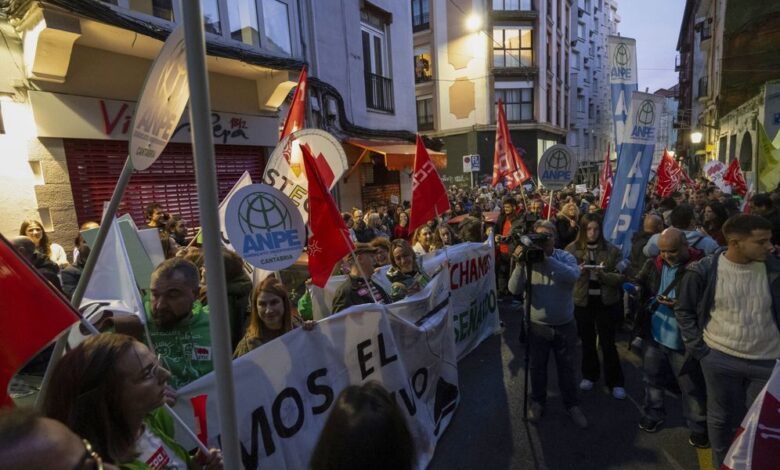
That evening, a mass demonstration took place outside the ministry building. Participants demanded that the regional government revise working conditions and increase salaries. The protests were a response to prolonged negotiations between unions and authorities, which have been ongoing for more than a year and a half.
Teachers insist on the need to index salaries, which have not been adjusted since 2008. In their view, recent years’ inflation has significantly reduced their purchasing power. In addition, there is discussion about reducing the number of students per class and increasing administrative staff in schools. These demands have remained unaddressed since the spring of this year.
Particular dissatisfaction is caused by a provision of the agreement proposed by the education ministry: salary increases would only be possible if the regional parliament approves the budget each year. Teachers believe this wording makes them hostages to political decisions rather than professional standards.
Regional authorities, in turn, emphasize that the already agreed salary increases will raise teachers’ earnings to levels exceeding the national average. However, union representatives argue that this is not enough and are demanding more transparent and stable guarantees.
Tensions in Cantabria’s education sector are not limited to salary issues. Teachers are also seeking smaller class sizes and a reduction in bureaucratic workload. According to them, these initiatives are necessary to improve education quality and create more comfortable working conditions.
Last year, teachers already took to the streets with similar demands, and by spring 2025, protests had spread across the entire autonomous community. In recent weeks, the situation has intensified: union representatives are demanding the replacement of the government’s negotiator and insist on the personal involvement of regional head María José Sáenz de Buruaga in resolving the conflict.
The region’s educational community is expressing fatigue and frustration over the prolonged standoff. Unions note that attempts to restrict the right to strike were ruled unlawful by the court. No new meetings with the education ministry are planned in the near future. If no compromise is reached, teachers intend to resume strikes in October.