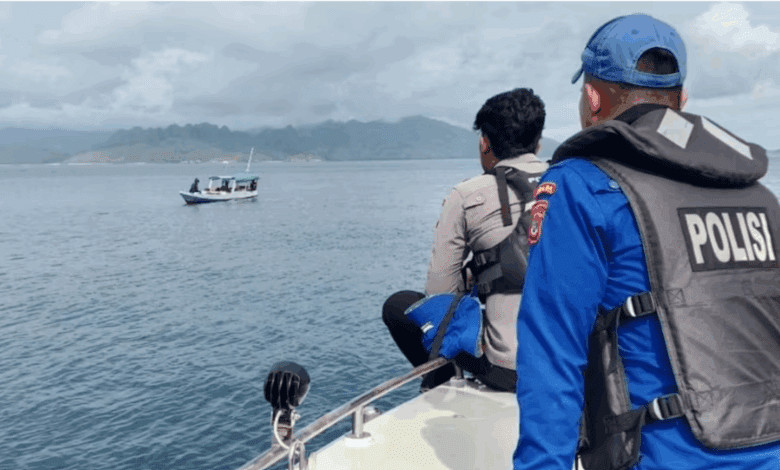
The events surrounding the death of a Spanish family in Indonesia have sparked widespread resonance in Spain. Issues of tourist transport safety and crew responsibility are once again in the spotlight. The arrest of the ship’s captain, where the tragedy occurred, marked an important step in the investigation and served as a warning for everyone planning trips to high-risk regions.
According to El Pais, Indonesian police have detained the captain of a tourist vessel that sank last December off the coast of Padar Island in Komodo National Park. A family from Spain was on board, and their deaths drew attention to the case. The captain is charged with negligence resulting in loss of life, which under local law can lead to up to five years in prison.
Progress of the investigation
El Pais reports that the ship’s captain and chief mechanic were detained after investigators established their involvement in the tragedy. Both had previously been under a travel ban and regularly reported to the police station. The investigation found that at the time of the accident, the captain had handed control of the vessel to the mechanic, who lacked the necessary licenses and experience. This decision became a major factor in the catastrophe.
As a result of the sinking of the KM Putri Sakinah, which occurred on the evening of December 26, eleven people were on board, including six members of a Spanish family. Rescuers found the bodies of Fernando Martín, former football player and coach of the Valencia CF women’s team, his son Mateo, and Lía, the daughter of Martín’s wife. Andrea Ortuño and her younger daughter were rescued, but one child, ten-year-old Kike, was never found. The other crew members, including the captain and mechanic, survived.
Causes of the tragedy
Indonesian police questioned eighteen witnesses and examined expert reports. Initially, engine failure was cited as the cause of the sinking, but later a theory emerged about a rare and unpredictable sea phenomenon that caused high waves. Nevertheless, investigators believe that crew negligence and violation of vessel operation rules were the decisive factors. According to police, the captain failed to fulfill his duties and allowed an unlicensed person to take control of the vessel.
The case has been handed over to the prosecutor’s office, where a court date is expected to be set. Indonesian authorities emphasize their intention to carry the investigation through to the end and hold those responsible accountable. This incident has sparked discussions about the need to tighten controls over tourist transportation and raise water safety standards.
Impact on tourism
The tragedy in Komodo National Park has affected not only the victims and their families, but also the entire tourism industry of the region. Spanish tour operators and travelers are now more cautious about choosing routes and checking crew licenses. Indonesian authorities have pledged to strengthen oversight of vessels serving foreign tourists to prevent similar incidents in the future.
In recent years, tourist boat accidents have repeatedly occurred in Southeast Asia. For example, Thailand and Vietnam have reported crashes caused by overloading or violations of safety regulations. In the aftermath of each tragedy, local authorities increase inspections and introduce new requirements for transport providers. However, negligence and insufficient oversight remain pressing issues, especially in popular tourist destinations.