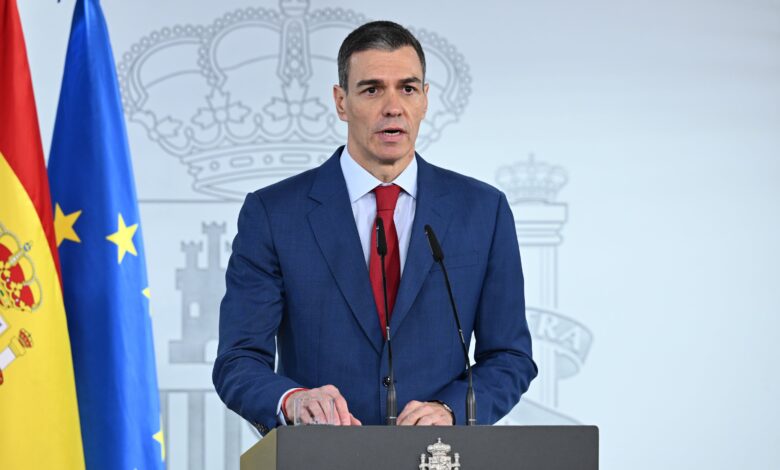
In recent weeks, Spain has found itself in the spotlight due to a sharp shift in political sentiments. Pedro Sánchez’s decisions on international issues have sparked animated debate among citizens and experts. At a time when foreign policy has a direct impact on domestic affairs, government actions take on particular importance for the country’s future.
The situation surrounding the war in Iran and mounting pressure from the United States has presented the Spanish leadership with a difficult choice. As reported by El Pais, Pedro Sánchez has chosen not to alter his approach, despite threats and the unpredictability of U.S. policy. He once again emphasized the need to uphold international law, setting himself apart from other European leaders.
Challenges for the government
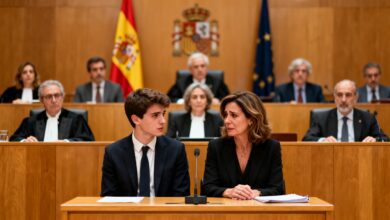
Throughout his current term, Pedro Sánchez has faced constant attempts at discreditation from the opposition. Right-wing parties have actively used judicial and media resources to increase pressure on the government. Nonetheless, Sánchez has managed to maintain stability, which has frustrated his opponents.
However, according to El Pais, polls indicate that support for PSOE remains unchanged, while left-wing forces are losing influence due to internal divisions. At the same time, the right-wing bloc shows high mobilization, whereas supporters of the left remain passive. This poses a risk for Sánchez’s position in upcoming elections.
International context
The escalation in the Middle East and the unpredictable actions of the US have heightened anxiety in Europe. Washington’s interventions in regional conflicts are perceived as acts of authoritarianism and inconsistency. Against this backdrop, Pedro Sánchez’s stance, grounded in principles of international law, has drawn attention not only in Spain but also abroad.
As El Pais notes, the Financial Times called Sánchez ‘la némesis de Trump en Europa.’ His clear stance on issues of war and peace has made him a prominent figure among European leaders. This may serve as a factor capable of energizing left-wing voters and rekindling interest in the political process.
Opportunities for Mobilization
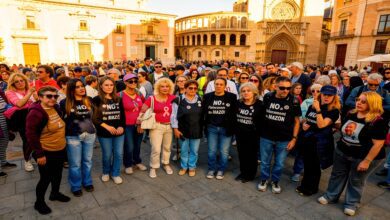
The revival of the ‘No a la guerra’ slogan recalls the events of 2003, when mass protests against the Iraq War led to serious political consequences for right-wing parties. Now, according to a 40dB. flash poll for EL PAÍS, most Spaniards support Sánchez’s anti-war stance, including some right-leaning voters.
Given the new circumstances, the question arises: can Sánchez use this moment to strengthen his position? The possibility of early elections is being discussed with increasing intensity, as the situation could serve as a catalyst for mobilizing the left bloc. Political apathy at home could give way to greater engagement if the government seizes on the changing conditions.
In recent years, Spain has already faced situations where external crises affected domestic politics. For example, in 2019, political decisions regarding Catalonia sparked a wave of protests and shifted the balance of power in parliament. Similarly, economic sanctions and international conflicts have repeatedly prompted major parties to reconsider their strategies. Now, once again, attention is focused on how external challenges may reshape the country’s political landscape.