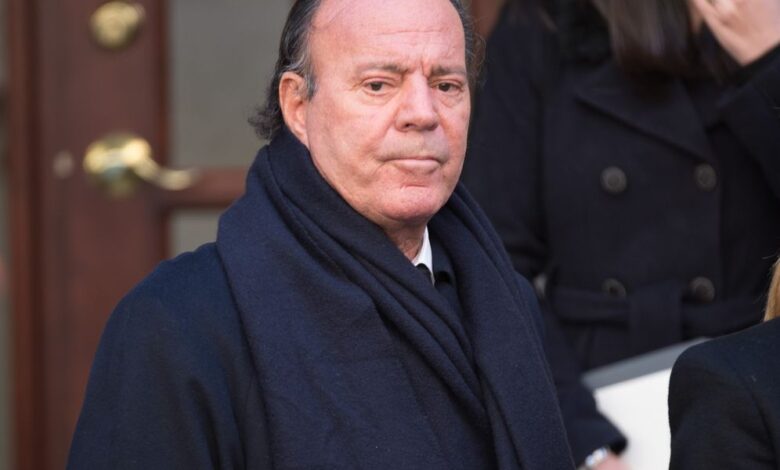
Julio Iglesias’ name is once again at the center of a major scandal. This time, it’s not about music or the stage, but about serious allegations brought against him by two former employees. The women, who worked in his homes in the Dominican Republic and the Bahamas, reported numerous cases of sexual abuse and humiliation. Their accounts, supported by medical reports and documents, formed the basis of a large-scale investigation that lasted more than three years.
According to the case materials, the women’s responsibilities extended far beyond ordinary housekeeping. They claim they were subjected not only to harassment but also to physical abuse and constant psychological pressure. One woman said she was forced into intimate relations with the singer against her will, while the other reported unwanted touching and kissing. Both described the house atmosphere as one of fear and control, with any attempts to complain being immediately suppressed.
Inner circle
A particular focus in this story is the role of senior staff members, who, according to the victims, were not only aware of what was happening but actively maintained the system of control. They selected new employees, demanded photos, and arranged medical examinations, including gynecological checks and infection tests. In some cases, these staff members were even present during incidents, further worsening the situation.
One of the victims was a professional physiotherapist, while the other was still very young, just starting her working life. Both got caught in a trap: promises of good pay and opportunities to travel turned into isolation, a rigid schedule, and constant humiliation. They were forbidden to leave the mansion grounds, build relationships with colleagues, or even take photos inside the house. This was strictly monitored, with their phones checked periodically.
A system of pressure
The investigation revealed that such conditions were not an exception, but rather the norm for Iglesias’s staff over many years. Former employees describe an atmosphere of total control, where any sign of dissatisfaction could lead to dismissal or even worse consequences. Senior staff, they say, acted as overseers, forcing them to fulfill any of the owner’s whims, including those of an intimate nature.
The salary offered to new female employees was low—around 350 euros a month. However, the chance to work for a famous artist and travel the world seemed attractive. In reality, the women faced strict restrictions, constant stress, and humiliation. Some mentioned that they were only able to rest when Iglesias’s wife was by his side.
Documentary evidence
During the investigation, numerous pieces of evidence were collected, including photographs, correspondence, medical reports, and visa documents. All of this supports the victims’ statements and points to a systemic nature of the violations. Attempts to contact the singer and his wife were unsuccessful—only one senior staff member responded, dismissing the allegations as fabricated.
Both women are now under the protection of an international human rights organization and undergoing psychological rehabilitation. Their stories have sparked widespread public debate about workers’ rights and the responsibility of celebrities. Spanish society is demanding transparency and a thorough investigation, and the Iglesias name is once again in the spotlight.
RUSSPAIN reminds readers that Julio Iglesias is one of Spain’s most renowned performers, with a career spanning over fifty years. He has sold more than 300 million albums worldwide and is considered one of the most successful artists in Latin American music history. His name has surfaced in various scandals before, but such serious allegations are being made against him for the first time.