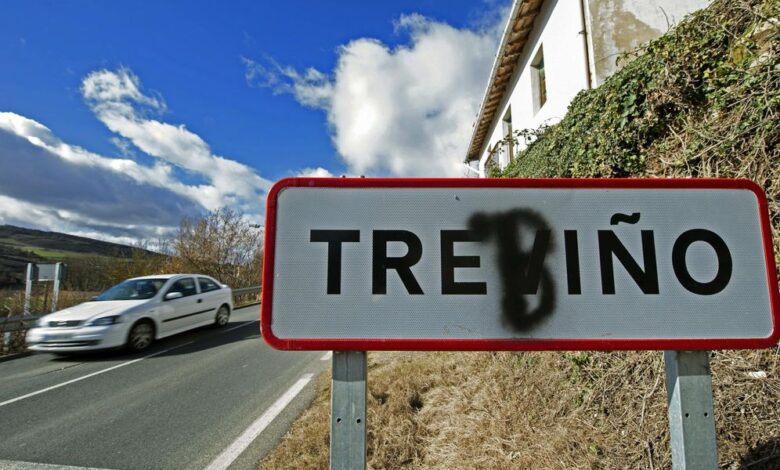
A new debate has erupted in the parliament of Castilla y León over the status of the historic region of Treviño. Deputies from the Vox party have proposed adopting an official declaration to secure the legislative body’s stance in favor of keeping Treviño as part of the province of Burgos. This move sparked lively discussions among politicians and the public, as the issue of the region’s territorial belonging remains one of the most sensitive for local residents.
Vox’s initiative calls on all relevant authorities to take the necessary steps to protect the administrative integrity of Burgos. In particular, this refers to legal and institutional measures that would guarantee the full respect of the rights and interests of Treviño’s residents. The parliament is set to address this issue at its next session, and adopting the declaration will require unanimous support from all factions.
Historical roots and modern challenges
Treviño is a territory with a rich history dating back to the 12th century. In 1161, King Alfonso VIII de Castilla incorporated these lands into the Kingdom of Castilla, granting them special rights and status. Since then, the region has repeatedly confirmed its belonging to Castilla, and after the administrative reform of the 19th century, it was finally integrated into the province of Burgos. Nevertheless, disputes over Treviño’s status have persisted for decades.
Particular tension arises from the position of Basque nationalists, who for many years have advocated for Treviño to be incorporated into the province of Álava (Álava), which is part of the Basque Country (País Vasco). Vox considers such demands an attempt to alter historically established borders and accuses opponents of exerting political pressure on the local population. According to supporters of the declaration, such initiatives could lead to a rift between the residents of Burgos and Álava, and also threaten the region’s identity.
Political consequences and expectations
If the declaration is approved, the parliament of Castile and León will demonstrate a united stance on the issue of territorial integrity. This could send a signal to the central authorities and other regions that also have disputed territories. However, it is possible that the debate will once again exacerbate tensions between supporters of the status quo and those advocating for changes to administrative borders.
Local residents are closely following the developments, as the parliament’s decision will affect not only their administrative affiliation but also their access to social services, funding, and infrastructure. In the coming weeks, it will become clear whether lawmakers can reach consensus, or if the issue will remain unresolved.