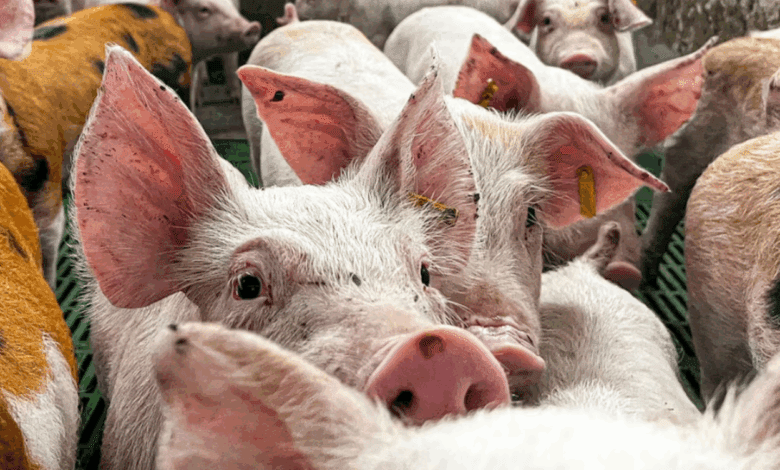
The Catalan Department of Agriculture has announced that there is currently no evidence that the African swine fever virus detected in wild boars in the Collserola area (Collserola, Barcelona) could have entered the environment from the IRTA-CReSA laboratory. This conclusion was reached by European biosafety experts who conducted an independent review following the initial reports of the outbreak.
The external audit, initiated by the Ministry of Agriculture, found no evidence of the virus leaking from the research center. According to department representatives, the IRTA-CReSA laboratory complies with all safety standards and its staff acted strictly according to protocol. Tests carried out on the deceased animals showed that the discovered virus does not match any known wild strains.
Laboratory Inspection
Sequencing of samples taken from the infected wild boars and from the IRTA-CReSA facility is still underway. Specialists from the Central Veterinary Laboratory in Algete (Algete, Madrid) and the Biomedical Research Institute are conducting the tests. The final results should confirm or rule out any link between the virus found in the laboratory and in the wild.
As part of the investigation, experts from the European Veterinary Service visited the laboratory twice. Their preliminary report highlights the facility’s high safety standards and staff professionalism. All procedures for analyzing the deceased animals were performed correctly, and the virus detected in wild boars does not match any other known strains.
Versions and hypotheses
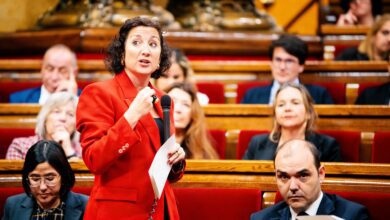
Catalonia’s Minister of Agriculture, Òscar Ordeig, stated that at this point there is no reason to believe the outbreak was caused by a laboratory error. According to him, both European and national experts have confirmed that all procedures were followed and the center’s infrastructure meets the required standards.
At the same time, an internal investigation initiated by the Catalan government is ongoing. It too revealed no violations in the laboratory’s operations, although additional documentation is needed for a final conclusion. All theories about the virus’s origin remain on the table until the genetic sequences from the laboratory and the animals are compared.
Context and measures
The hypothesis of a possible virus leak from the laboratory was raised by the Ministry of Agriculture in early December and referred to law enforcement agencies. At that time, the IRTA-CReSA laboratory was working with the virus, and the first infected wild boar was found just a few hundred meters from the facility, which lacks double fencing.
Renowned epidemiologist Marc Lipsitch from Harvard University reminded that in the past, there have been incidents of dangerous pathogens leaking even from laboratories with higher biosafety levels. He cited examples from the US, where viruses such as Ebola, anthrax, and avian flu escaped laboratory confines due to protocol errors or sample mix-ups.
Economic impact
Amid the African swine fever outbreak, Japan has agreed to resume imports of Spanish pork produced before the first cases surfaced in Catalonia. Minister Ordeig noted that within three weeks, the outbreak was contained to a six-kilometer radius around Collserola. In this area, wild boars continue to be trapped and removed using traps and specialized tools.
Additionally, France and Canada have reached an agreement with Japan on the regionalization of supplies, allowing them to avoid a total ban on Spanish pork exports. To date, 26 cases have been confirmed among wild boars and there is one suspected case in the same area.
Police actions
On Thursday morning, officers from the Catalonia police (Mossos d’Esquadra) and the Civil Guard conducted a court-ordered search at the IRTA-CReSA laboratory. The investigation into the outbreak of African swine fever in the Collserola Park is ongoing. Law enforcement seized virus samples handled by researchers to compare them with the pathogens found in deceased animals. The distance between where the first infected wild boars were found and the laboratory is less than a kilometer.