Catalonia’s economic stability has come under serious pressure due to a series of natural disasters. Heavy rains, gusty winds, and prolonged storms have not only paralyzed railway transport but also forced many businesses to suspend operations. In a region where transport accessibility and logistics play a crucial role, such disruptions have become a real challenge. The impact has been felt especially acutely by large manufacturers and small businesses, for whom each day of downtime results in financial losses and derailed plans.
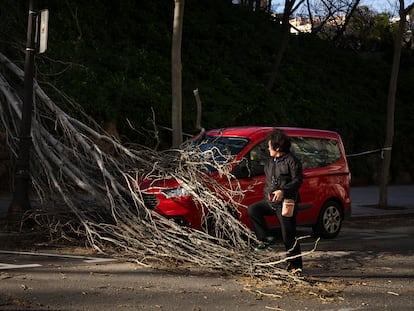
In recent weeks, the situation has worsened: regular disruptions in Rodalies commuter trains, halts in freight transport, and mass protests blocking roads have created an atmosphere of uncertainty. On Thursday, nearly a complete standstill of business activity was added to these problems due to hurricane-force winds. Company leaders are forced to review their logistics daily and look for new solutions to minimize losses. Despite authorities’ recommendations to exercise caution, entrepreneurs admit that planning work has become nearly impossible.
Production at risk
The restrictions have affected both industrial giants and small businesses. The automaker Seat, the region’s largest employer, has been forced to halt production twice since the beginning of the year. The first shutdown at the Martorell plant occurred due to storms that blocked shipping through the Strait of Gibraltar (Estrecho de Gibraltar), causing delays in the delivery of components. The second stoppage was triggered by strong winds and government recommendations to switch to remote work. Although the company claims it can make up for lost time, such unscheduled shutdowns require a complete overhaul of schedules and logistics.
Many companies relying on rail transport were forced to urgently switch to road haulage. This is not only more expensive, but also less efficient, especially for businesses dealing with large volumes of cargo. Meanwhile, for those where remote work is impossible—such as in retail and food service—the situation has become critical. According to trade association representatives, customer flow has dropped sharply, and supply disruptions have made operating shops and cafés virtually pointless.
Response and debate
The Catalan authorities decided to close schools and universities and cancel all non-essential activities to ensure residents’ safety. However, this move sparked a wave of criticism in regions where the weather was less severe. In Girona and Tarragona, business owners and mayors stated that restrictions should be based on the local situation rather than imposed across the entire autonomous region at once. Some residents of northern areas even mocked the storm alert due to strong winds, pointing out that such weather is a common occurrence for them.
The mayor of Figueres openly voiced dissatisfaction with decisions being made based on the situation in Barcelona, disregarding the specific conditions of other areas. In Girona, authorities also called for a more flexible approach: if there is a storm in one area, it does not mean all of Catalonia should come to a halt. Meanwhile, trade unions insist that employers should not prevent staff from using their paid leave if adverse weather makes it impossible to reach their workplace.
Impact on everyday life
For many residents of the region, the consequences of weather disasters have become a part of daily life. Disruptions in transportation, canceled classes, and widespread business interruptions are forcing people to adjust their usual routines. The situation is especially difficult for those who cannot work remotely. Shopping malls and the streets of Barcelona are noticeably less crowded, and shop owners report a sharp drop in revenue. Even with their doors open, there are hardly any customers—people prefer not to take risks and stay at home.
As transport gridlock becomes a regular occurrence, many companies are forced to look for alternative ways to deliver goods and revise their business processes. A similar situation was seen earlier, when bus services could not cope with the surge in passengers due to disruptions in rail transportation. At the time, authorities promised a prompt solution, but uncertainty persisted for weeks.
Catalan authorities emphasize that all measures are taken solely for safety reasons. However, for businesses and ordinary residents, this means new challenges and the need to adapt to ever-changing conditions. The question of how long the region can withstand such upheavals remains open.
In recent years, Catalonia has repeatedly faced transport and weather crises that have led to widespread disruptions of infrastructure. In 2023, heavy rains already paralyzed parts of the railway network, and in 2024, train driver strikes further worsened the situation. Each new episode highlights the region’s vulnerability to natural and social upheavals, prompting businesses and authorities to seek new approaches to risk management and operations amid uncertainty.