The train accident in Gelida has triggered a major political scandal in Catalonia. Hundreds of thousands of passengers were plunged into transport chaos, while political leaders raced to blame each other for incompetence and inaction. The spotlight is on the authorities’ failure to respond quickly to the crisis and provide alternative routes for daily commuter rail users.
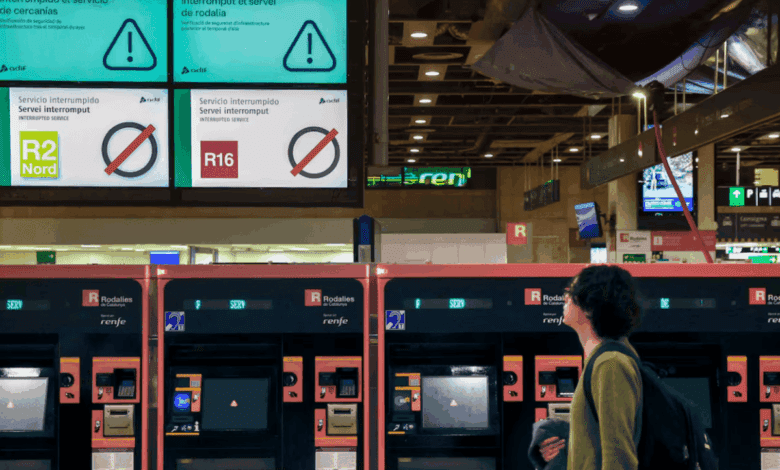
For several hours after the Rodalies incident, the situation at train stations resembled a scene from a disaster movie: confused crowds, a lack of information, and cancelled services. Around 400,000 people who rely on commuter trains were left without clear instructions or support. According to the opposition, Catalan authorities failed to provide timely updates or temporary solutions for passengers.
Political storm
Carles Puigdemont, leader of Junts, seized the moment to publicly accuse the Catalan government of ‘deafening incompetence.’ His criticism targeted the Socialists heading the Generalitat, and Salvador Illa personally. Puigdemont claimed the rail collapse was a direct result of Catalonia’s dependence on decisions from Madrid and the lack of management autonomy over infrastructure.
His rhetoric echoed familiar themes: “As long as the infrastructure is in Spanish hands, nothing will work.” According to Puigdemont, the regional government has not only failed to show leadership, but has essentially surrendered, neglecting to demand the promised investments or defend the interests of Catalans. He accused the Generalitat of passivity and submitting to the central authorities, which he claims is holding back the region’s development.
Mutual accusations
Other political forces also voiced criticism. Oriol Junqueras, leader of ERC, did not hold back, stating that the government’s actions “put it in a bad light.” In his view, the railway crisis is a clear example of management failures and an inability to protect the interests of Catalonia’s residents.
The Comuns party called for a national audit of the Rodalies system and urged the creation of a broad pact to resolve the crisis. Jéssica Albiach accused the authorities of poor communication and creating false expectations among passengers, which only fueled dissatisfaction and chaos.
Countermeasures and new accusations
While politicians traded accusations, Rodalies transfer commissioner Pere Macias reported that the Generalitat had launched an investigation against Renfe for failing to provide services on the day of the incident. However, the opposition believes these steps are too little, too late. In their view, the government showed indifference and failed to quickly restore operation at the key transport hub.
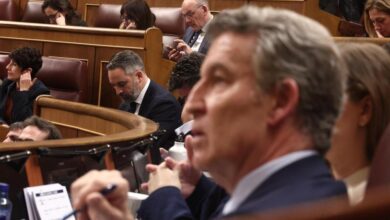
Juan Fernández, a representative of the Partido Popular (PP) in parliament, called the situation not a matter of authority, but of basic management. He emphasized that the collapse resulted from incompetence, not a lack of legal tools. Vox, in turn, mocked the authorities’ attempt to shift responsibility onto Renfe, calling it a ‘mockery’ of passengers. CUP demanded a similar investigation into Adif, stressing that responsibility lies with several entities.
Passengers Caught in the Storm
While politicians argue, ordinary Rodalies passengers continue to face uncertainty and inconvenience. For many residents of Barcelona and its suburbs, the railway is the only way to get to work or school. Every system failure means lost time, stress, and financial loss.
Authorities promise to investigate the cause of the accident and improve communication with the public, but trust in them has noticeably eroded. People demand not just explanations, but real changes to prevent such situations from happening again. Against this backdrop, political battles seem increasingly disconnected from society’s real needs.
Unanswered Questions
The Catalan transport crisis has once again exposed longstanding tensions between the regional and central governments. The question of who is responsible for infrastructure and its development remains unresolved. In the meantime, Rodalies passengers are left to cope with the fallout from political maneuvering, waiting for words to finally turn into action.