In Catalonia, debates over independence symbols have flared up again. This time, it’s not about flags or slogans, but about time. The head of the Consell de la República, Jordi Domingo, has come forward with an unexpected initiative: he proposed that Catalans who support independence, as well as small businesses, switch to Greenwich Mean Time instead of the Central European standard currently used throughout Spain.
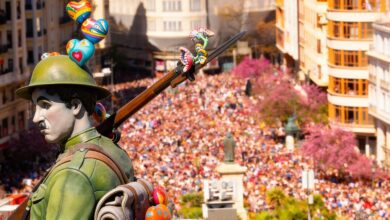
If this idea were to materialize, familiar events like the annual Diada demonstration would be held an hour earlier. For example, instead of the usual 17:14, the event would start at 16:14. This would mean Catalonia would operate on a different time than the rest of Spain—not on Canary Islands time, but its own distinctive schedule.
Domingo explains that such a move should be part of a long-term strategy. In his view, independence does not come overnight, and Catalans should behave as if they have already separated. He believes that even these symbolic changes can have a significant impact on society. The issue of changing the time, he says, should be a topic of discussion among professionals and business owners who might begin working according to a ‘Catalan’ timetable.
Supporters of independence have long argued that Spain’s current time zone is a legacy of the Franco era. They believe that returning to Greenwich Mean Time would underscore Catalonia’s distinction from the rest of the country and mark yet another step toward autonomy.
However, even Domingo himself admits that implementing such an initiative will be difficult. It would require the approval not only of the Council of the Republic, but also of other organizations, including the Assemblea Nacional Catalana (ANC), Òmnium, and political parties. For now, this scenario seems unlikely.
In the interview, Domingo notes that if at least 200,000 people switch to the new system, it would already be considered a success. However, given the region’s population of eight million, such a result appears modest. He hopes that if people can be made to distinguish between “Spanish” and “Catalan” time, it will become an important symbolic achievement. Still, many believe that such proposals only highlight the movement’s crisis of ideas following Carles Puigdemont’s departure.
Another topic discussed in the interview was the Fons Nacional Català, which was heavily talked about over the summer but has yet to see any concrete steps. Domingo has already warned that the project may take many years. The idea was to create an investment fund for Catalans that would operate from abroad. However, if five years later it is still only being discussed, its implementation seems unlikely.
The Junts party has definitively distanced itself from the Consell de la República and its initiatives. This comes as no surprise, given how detached these proposals are from the region’s real issues. Once considered the main symbol of the October 2017 events, the Consell now mostly serves as a reminder of the former scale of the Catalan independence movement.