Transport chaos continues in Catalonia as Rodalies commuter trains remain out of service for the second day in a row. The disruption is caused by a mass walkout of train drivers, which followed immediately after the tragic accident in Gelida that claimed dozens of lives. Scenes at train stations resemble disaster movies: crowds of confused passengers, empty platforms, and not a single train in sight.
While residents of Barcelona and other regional cities try to get to work or return home, replacement buses are overwhelmed by the sheer number of commuters. Chaos reigns at Barcelona’s main station, Sants, where information staff are handing out leaflets, but this does little to help – most passengers still have no idea when or how they will get moving. Frustration is audible in the lines, and some have given up and are searching for alternative ways to travel.
Aftermath of the accident
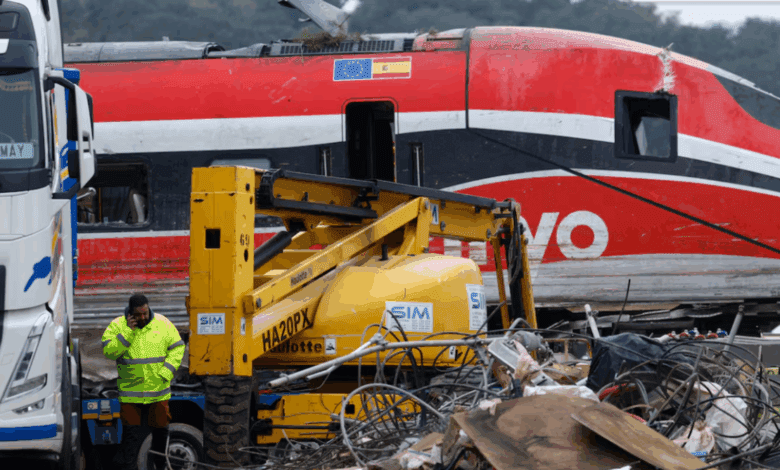
As the transport crisis grips Catalonia, recovery efforts are still underway in Andalusia after the deadly crash. In Adamuz (Córdoba), specialists are inspecting the damaged trains as they work to determine the exact cause of the tragedy. According to initial reports, suspicious marks were found on the tracks, possibly indicating a defect in the rails. Experts believe this may have led to the train derailment.
The Minister of Transport does not rule out that the accident may have been caused by a technical malfunction, but urges against drawing premature conclusions. He firmly rejected suggestions that aging infrastructure or insufficient track maintenance were to blame. Nevertheless, the public is demanding transparency and swift answers, as the safety of thousands is at stake.
Train Drivers’ Strike
Amidst the investigation into the causes of the disaster, Rodalies train drivers have called a strike, bringing all train services across Catalonia to a complete halt. While their demands have not yet been made public, it is clear that issues of safety and working conditions have become the tipping point. The strike coincided just as the region was still reeling from the shock of the accident, leaving residents caught in difficult circumstances.
Authorities promise to reach a compromise and restore train operations as quickly as possible. However, negotiations so far have not produced results, forcing passengers to seek alternative means of transport. Many are venting their frustration on social media, blaming both railway workers and officials for their inability to respond promptly to the crisis.
Chaos at Stations
In Barcelona and other major cities in the region, the situation at train stations remains tense. People continue to arrive out of habit, only to find closed doors and a lack of information. Bus routes are overwhelmed, and taxis are in short supply. Some travelers are forced to walk or use bicycles to reach their destinations.
Anxiety is mounting in lines for alternative transportation. Many fear that the strike may drag on, leaving the region completely cut off from normal life. Employers are already reporting widespread lateness, and students are missing classes. Authorities call for patience, but people are running out of it.
Unanswered Questions
While the investigation into the cause of the accident continues and the strike remains unresolved, residents of Catalonia find themselves in limbo. No one dares to predict when the situation will return to normal. One thing is clear: the region’s transport system was unprepared for such a challenge, and public trust has been shaken.
New negotiations between train drivers and railway management are expected in the coming days. However, there is still no guarantee that trains will return to their routes any time soon. Catalonia lives in anticipation of change, while passengers hope for a speedy resolution to the transport crisis.