Monday morning in Catalonia began in complete confusion: the usual rhythm of life was disrupted as thousands of residents suddenly found themselves cut off from their workplaces, schools, and families. The entire Rodalies commuter train network, relied on by over 400,000 people daily, came to a halt due to an unexpected technical failure at the rail traffic control center. Promises from authorities about a partial restoration of service, made just the day before, fell apart by sunrise.
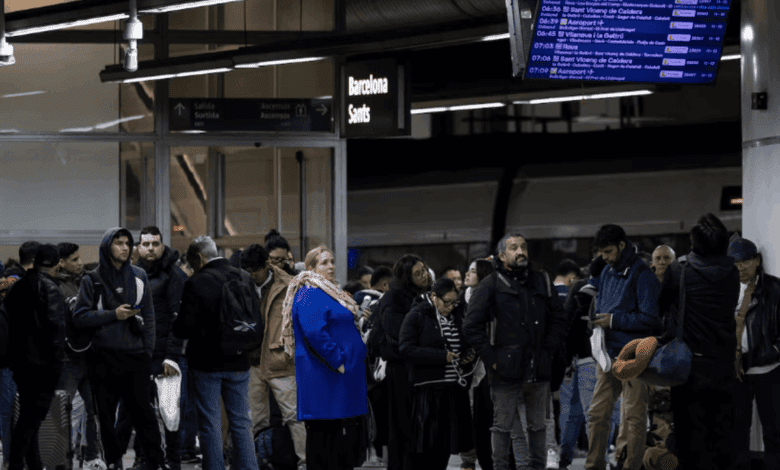
Passengers rushing for their trains were met with closed platforms and bewildered staff unable to offer any explanations. Long lines quickly formed at stations in Barcelona and other regional cities—people demanded any information at all, but received only brief responses: “Trains are not running.” At that moment it became clear: the transport crisis that started last week was only getting worse.
Panic at the stations
From early morning, loudspeakers at the stations announced the complete suspension of Rodalies service. Those already en route were forced to leave their trains at the nearest stops. Crowds instantly gathered around information kiosks and railway staff—passengers demanded answers, but even employees didn’t know what was happening. “Every day something happens: an accident, a breakdown. I need to get to Mataró, and now I don’t know what to do,” complained one passenger.
Others shared similar stories: some had been unable to get to work in Manresa for a week, others were late for important meetings, while some simply had no idea how to get home now. Officials could only shrug their shoulders, promising to look into the cause of the disruption and restore service as soon as possible. But for most people, these words rang hollow.
Causes and consequences
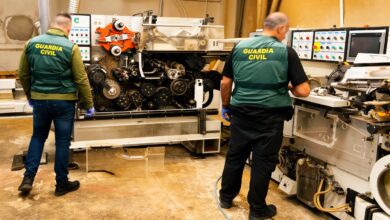
Officials stated that the cause of the disruption is still unknown and promised to launch an investigation. Meanwhile, the situation has worsened against the backdrop of a recent tragedy: just a few days ago in Gelida, a wall collapsed onto the railway tracks, killing the train driver and injuring dozens of passengers. Since then, the region’s transport system has been stretched to the limit, and new breakdowns only add fuel to the fire.
Catalan authorities and railway company representatives tried to assure the public that the situation was under control. They announced inspections of dozens of railway sections and urgent repair work. However, promises of a partial service restoration were never fulfilled: on Monday morning, the entire Rodalies network was once again paralyzed.
Anger and despair
Passengers did not hide their irritation and fatigue. Many complained that they had to spend money on alternative means of transportation that are not reimbursed by employers. “I arrived at the station at 6:30, my train was delayed, and now they say there won’t be anything at all. This is just awful,” shared one of those affected.
Frustration was growing in social networks and on the streets of Barcelona: people were demanding clear answers and real action from the authorities. For many residents of the region, Rodalies is the only way to get to work or study, and the lack of alternative routes only intensified the tension. The authorities found themselves at the center of criticism, and the transport crisis became a real test for the new government of Catalonia.
A never-ending crisis
While officials promise to look into the situation and restore service, residents of Catalonia continue to live amid transport chaos. For the sixth day in a row, the region remains virtually without commuter trains, and the prospects for returning to normal life are uncertain. Each new disruption only deepens distrust in the system and sparks new waves of outrage.
This time, the transport collapse has become not just a technical problem but a real social shock for the whole of Catalonia. People have become hostages of a situation where no one can guarantee that trains won’t stop again tomorrow. And while the authorities look for those responsible, passengers continue to wait—in long lines, on cold platforms, hoping for a miracle.