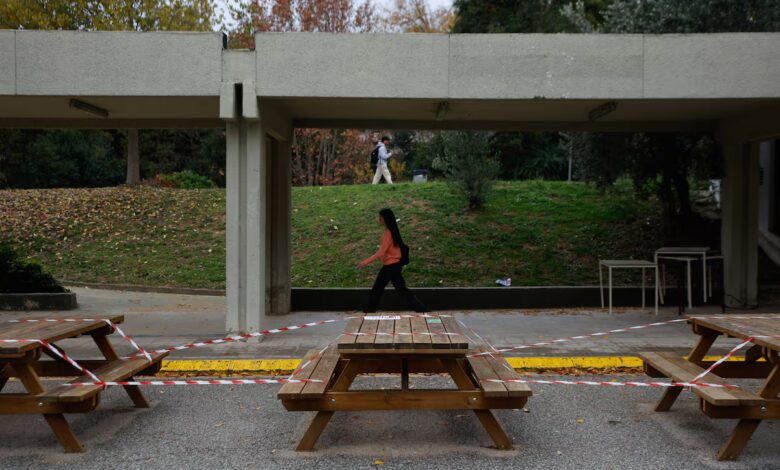
The Catalan authorities have decided to expand the ban on visiting natural areas to 91 municipalities following an outbreak of African swine fever that has affected a large region. The heightened restrictions now apply not only to forests and parks, but also to riverside areas, agricultural fields, and all roads and paths outside urban areas. The list of municipalities at highest risk includes cities such as Badia del Vallès, Barberà del Vallès, Cerdanyola del Vallès, Montcada i Reixac, Polinyà, Ripollet, Rubí, Sabadell, Sant Cugat del Vallès, Sant Quirze del Vallès, Santa Perpètua de Mogoda, and Terrassa.
Additional safety measures are being introduced in these municipalities and the surrounding areas. Restaurants, sports centers, and other commercial establishments are required to install disinfection systems for all vehicles entering and leaving their premises, applying to both staff and visitors. Authorities emphasize that these measures are necessary to prevent further spread of the virus.
High-surveillance zone
Starting Friday, access is prohibited to natural areas within a 20-kilometer radius of the outbreak’s epicenter. This means not only forests and parks are closed, but also meadows, fields, riverbanks, and even country roads. Hunting and any forestry operations in this zone are temporarily suspended. The only exceptions are for local residents and workers in these areas, as well as company employees if their facilities are fenced or have clearly marked boundaries.
The strictest restrictions remain in place within a six-kilometer radius of the outbreak. Here, all access to natural areas is completely banned, as are any outdoor activities outside urban areas. Authorities urge residents and visitors to exercise utmost caution and strictly follow all regulations.
Measures for Businesses
Restaurants, sports clubs, and other establishments operating in the risk zone remain open to visitors but are required to disinfect vehicles. To do this, they must implement special systems for treating wheels and footwear to minimize the risk of spreading the virus beyond the infected area. Authorities are preparing detailed disinfection guidelines and recommend using only approved products.
Enforcement of the new rules has been assigned to police officers, firefighters, and local law enforcement. Around 700 personnel will be on duty during the long weekend to monitor compliance and inform the public about the current restrictions. Violators face fines, but the main focus is on raising awareness and cooperating with citizens.
Role of Citizens
The authorities in Catalonia are calling on residents to act responsibly and avoid entering restricted areas. Special attention is being given to personal hygiene: after leaving a risk zone, it is recommended to thoroughly clean shoes and car tires to prevent the virus from spreading. Guidelines for choosing disinfectants and properly treating belongings will be published soon.
So far, 13 cases of infection among wild boars have been detected within a six-kilometer radius of the outbreak. Authorities stress that the main goal is to prevent the virus from spreading beyond this area. To achieve this, it is crucial to minimize the movement of people and vehicles in regions where wild animal populations remain high.
Although sanctions are in place for violating the restrictions, the main emphasis is on voluntary compliance. Authorities are counting on public understanding and support to contain the outbreak as quickly as possible and return the region to normal life.
In case you didn’t know, the Generalitat de Catalunya is the autonomous government of Catalonia, responsible for a wide range of issues including healthcare, internal affairs, and environmental policy. The organization actively implements measures to combat epidemics and emergencies by coordinating the efforts of various departments and agencies. In such cases, the Generalitat works closely with local authorities, police, and emergency services to ensure residents’ safety and minimize the impact of crisis situations.