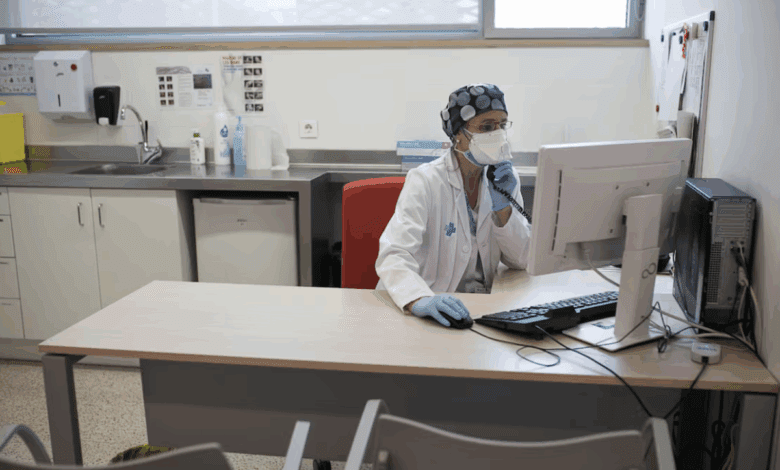
In recent years, Catalonia has seen a real surge in temporary work disabilities. Back in 2013, the average worker lost just under four hours a month due to illness; by 2025, that figure has doubled to eight hours. That’s more than a twofold increase. For businesses and authorities, this has become a major headache, as it’s not just about lost hours—it’s about massive economic losses.
According to small and medium business representatives, last year alone the total cost of sick leave in the region reached 10.5% of Catalonia’s entire gross domestic product. That’s not just a number—that’s billions of euros that could be fueling the economy, but instead vanish into bureaucracy, doctors’ queues, and prolonged sick leaves.
System at breaking point
One of the main reasons for this situation is the overburdened healthcare system. In Catalonia, the average wait time for a doctor’s appointment has already exceeded 24 days—one week longer than the national average in Spain. While a person waits for care, they’re not working, and businesses are losing money. Unsurprisingly, employers are pushing to allow private insurance companies and even pharmacies to manage sick leave, hoping to ease the strain on the public healthcare system.
But not everyone agrees with this approach. Unions and doctors insist that sick leave should not become a tool for business to cut costs. People get ill, and their right to treatment and recovery must be protected. Employers, however, argue that the goal is not to reduce rights but to restore order and prevent abuse.
Debate and conflict
At the end of last year, the Catalan authorities even launched a special information campaign to draw attention to the issue. Employers supported the initiative, but unions accused officials of trying to ‘criminalize’ sick employees. In response, business leaders pointed out that small enterprises are hit the hardest, as they find it much more difficult to replace a sick worker.
According to business owners, in small companies each sick leave costs an average of €1,557 per person, while in large firms it amounts to nearly €3,800. Considering that a quarter of all Spain’s sick leaves happen in Catalonia, it’s clear why the issue sparks such strong emotions.
Causes and trends
Interestingly, the increase in sick leaves is not just a Catalan problem. In all developed countries, as the economy grows, so does the number of temporary disabilities. Experts have a simple explanation: when people feel more secure at work, they see doctors more often and are not afraid to take time off when ill.
In Catalonia, the majority of sick leaves are related to musculoskeletal issues, mental health, and injuries. Notably, mental disorders have nearly tripled over the past 12 years. This is an alarming signal for everyone — both for businesses and for the healthcare system.
Money and solutions
Another noteworthy point: despite the huge losses for the economy, social security expenses have been lower than expected. The reason is that most sick leaves last less than 15 days, and most often — no more than three. During this period, employees do not even receive payments, while businesses still incur losses.
Entrepreneurs are demanding not only a reform of the sick leave system but also increased healthcare funding. Currently, Catalonia spends 5.7% of its GDP on healthcare — less than the national average. Business leaders insist: without investment and new approaches, the situation will only get worse.
Looking ahead
Authorities are already discussing new measures: gradual return to work after illness, flexible sick leaves, stricter controls, and new employer protocols. But the debates are ongoing, and the economy continues to lose billions. The question of who and how this problem will be solved remains unanswered. And it seems there will be no easy solutions.