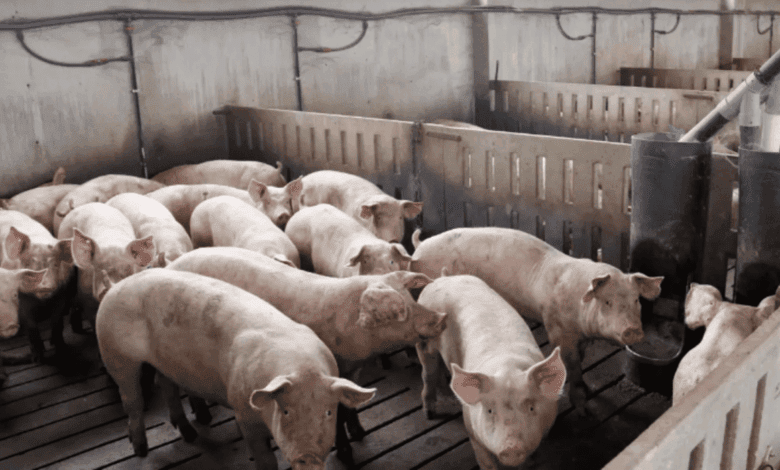
Chinese authorities have announced new tariffs on imports of pork and pork products from European Union countries. The new duties will range from 4.9% to 19.8% and will remain in effect for the next five years. This decision follows a major anti-dumping investigation launched after the EU imposed temporary tariffs on Chinese electric vehicles. The new rates are significantly lower than the preliminary ones, which reached as high as 62.4%.
The focus is on Spain, the Netherlands, and Denmark—these countries are the leading suppliers of pork and pork by-products to the Chinese market. In China, products like ears, snouts, and feet are considered delicacies and are in consistently high demand. In recent years, following the outbreak of African swine fever, Beijing was forced to increase imports to make up for domestic shortages.
Trade standoff
China’s decision was a response to the EU’s move to impose duties on Chinese electric vehicles over concerns of dumping. Following this, Beijing launched its own investigations into European goods, not only pork but also brandy and dairy products. In the case of brandy, particularly French cognac, some major producers received exemptions from the new tariffs.
In September of last year, China had already imposed preliminary anti-dumping measures in the form of security deposits for companies cooperating with the investigation. At that time, the rates ranged from 15.6% to 32.7%, and up to 62.4% for others. Now, after the review has been completed, tariffs have been significantly reduced.
Impact on Spain
Spain has traditionally ranked among the leading exporters of pork to China. In 2020, when domestic production in China plummeted due to an epidemic, EU exports reached a record €7.4 billion. However, as Chinese pig farms recovered, purchasing volumes began to decline. The new tariffs could further affect the dynamics of exports, especially for Spanish producers focused on the Asian market.
China’s Ministry of Commerce stated that the investigation was conducted objectively and impartially. According to their findings, European companies sold pork and by-products below cost or lower than domestic prices, harming Chinese producers. The new tariffs now apply to all types of products including fresh, chilled, frozen, dried, marinated, smoked, and salted pork.
Market and Prospects
The European Union continues to maintain a significant trade deficit with China, which exceeded 300 billion euros last year. Despite this, EU countries remain key suppliers of meat products to the Chinese market. The introduction of new tariffs may change the structure of exports and affect producers’ incomes, especially in Spain, where the pork industry plays an important role in the economy.
In the coming years, Spanish companies will have to adapt to the new conditions. On one hand, lower tariffs compared to preliminary rates offer some relief. On the other, market competition remains intense, and quality and pricing requirements are only becoming stricter.