This year, the Teatro Real in Madrid once again becomes a focal point for millions of Spaniards. On December 22, the highly anticipated Christmas Lottery drawing will take place here—a tradition that brings the entire country together in front of screens and radios. Hundreds of thousands of tickets have already been sold, and there’s a festive air throughout the capital as the sense of anticipation and hope is palpable.
From early morning, the voices of children from San Ildefonso school fill the theater as they sing the winning numbers and prize amounts—a tradition that dates back to the 19th century and still gives audiences goosebumps. This year, €3.96 billion will be distributed, with 70%—that is, €2.772 billion—going to the winners. The Christmas Lottery is the most popular gambling event in Spain, with almost every resident taking part.
Time and format
The drawing begins precisely at 9:00 a.m. Madrid time. The ceremony usually lasts three and a half to four hours. Organizers follow the traditional format: two drums—one for ticket numbers and the other for prize amounts. The large drum contains 100,000 numbered balls, while the smaller one holds 1,807 prize balls. Every number and prize is announced aloud, turning the process into a real theatrical performance.
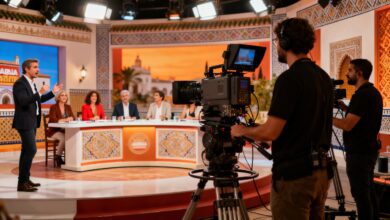
The broadcast starts even before the official kickoff—at 8:00 a.m. on the country’s main TV channels. This year, leading presenters, who are already familiar faces of this event, will once again guide viewers through the proceedings. For many families, watching the draw is a cherished part of their December morning, and for some, it’s also an opportunity to gather for breakfast together.
Where to watch
You can follow the draw not only on TV but also online. Live streams are available on various platforms, and special services let you check your ticket in real time. The list of winning numbers is updated as the children announce each new lucky combination. For those who miss the live broadcast, results remain available throughout the day.
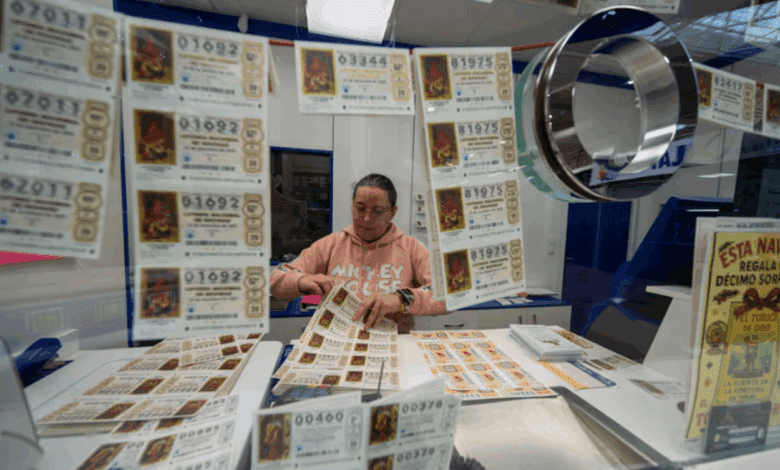
This year, interest in the draw is especially high: many people are hoping their ticket will be the lucky one. All over Spain, in towns and villages alike, people are talking about who bought tickets where, and queues at lottery kiosks are common even on the eve of the event. The Christmas Lottery has long become more than just a game—it’s part of the national culture.
Prizes and odds
Each ticket costs €20. The top prize, known as “El Gordo,” is €4 million per series, which equals €20,000 for every euro wagered. The second-largest prize is €1.25 million per series, the third is €500,000. Additionally, there are two fourth prizes of €200,000 each and eight fifth prizes of €60,000 each. Besides the major winnings, thousands of smaller prizes—called “pedreas”—are awarded, as well as supplementary payouts for matching certain digits.
The prize distribution system is designed so that the chances of winning at least a small prize are quite high. That’s why many Spaniards buy tickets collectively—with colleagues, friends, or family. In case of a win, the joy is shared by everyone, and this tradition of buying together only adds to the festive spirit.
Traditions and emotions
The Christmas Lottery is about more than just money. For many Spaniards, taking part in the draw has become a symbol of hope and unity. On this day, the streets of Madrid fill with joyful shouts, and the lucky winners who hear their number called can’t hide their emotions. Some neighborhoods throw impromptu celebrations, with winners sharing their happiness with neighbors and friends.
Every year, interest in the event continues to grow. The lottery brings generations together, brings adults back to their childhood, and inspires belief in miracles. Even those who aren’t lucky enough to win don’t feel disappointed: taking part in this event is already part of a cherished Spanish tradition.