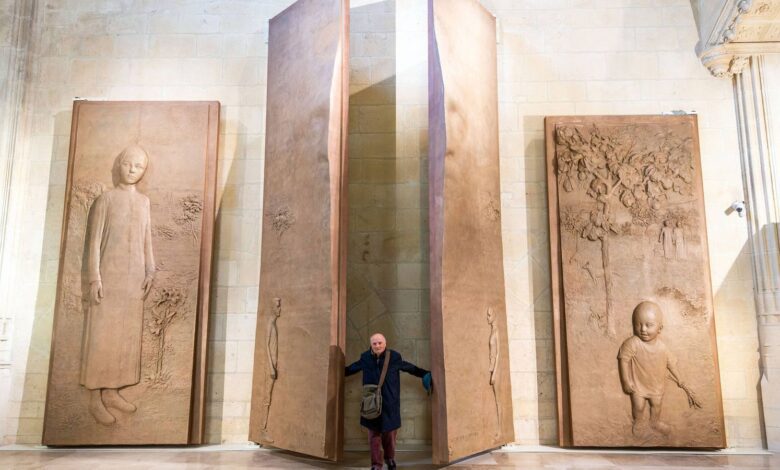
A real storm has erupted in Burgos over the new doors for the famous cathedral. Sculptor Antonio López has created three massive bronze doors intended to adorn the temple’s main façade. However, for now, they can only be seen in the cathedral museum—their installation is impossible without the approval of UNESCO and regional authorities. The question of whether modern art should be allowed to intervene in a 13th-century monument has divided local residents and sparked heated debate.
The doors, which weigh over seven tons in total, were conceived as part of the cathedral’s 800th anniversary celebration. The project was launched at the initiative of former Archbishop Fidel Herráez six years ago. Since then, López’s team has progressed from clay sketches to monumental bronze reliefs, combining traditional techniques with modern digital technology to enlarge the models to full size.
Technology and Tradition
During the creation of the doors, ancient craftsmanship merged with the latest methods. Sculptors used hand modeling, casting, mold making, and patination, as well as digital scaling to ensure accuracy and harmony with the cathedral’s architecture. In the museum, visitors can not only see the doors themselves but also view detailed panels explaining each stage of the process.
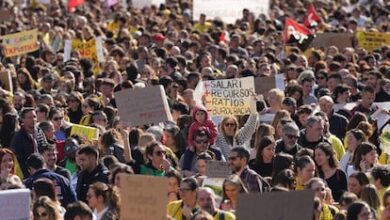
Nevertheless, despite its technical sophistication, the project sparked a wave of criticism. In Burgos, an opposition platform emerged against the new doors, gathering 80,000 signatures. Opponents argue that the modern intervention compromises the aesthetics and spiritual atmosphere of the Gothic landmark. In response, cathedral representatives emphasize that the church’s history is a continuous dialogue between eras, with each period leaving its artistic mark—not destroying, but enriching the previous legacy.
Meaning and Symbolism
Each of the three doors holds deep religious significance. One is dedicated to God the Father and the theme of creation, the second to the Virgin Mary and the Annunciation, and the third to the Infant Jesus and the Incarnation. According to the current archbishop, Mario Iceta, the project is conceived as a continuation of tradition rather than a break with the past. He notes that the cathedral has undergone several transformations: from Romanesque forms to Gothic, with the addition of new elements such as the golden staircase or the dome.
Antonio López himself admits that working on the doors became a pivotal stage in his life. He reflects on whether someone without deep faith can truly create a spiritual masterpiece. The artist notes that the entire team strived to put maximum sincerity and skill into the work so that the result matched the significance of the place.
Public Response
The project cost 1.2 million euros, with funding provided by the cathedral chapter and a group of entrepreneurs. The organizers hope the new doors will become a symbol of unity rather than division, and draw attention to contemporary religious art. The museum exhibition has already sparked significant interest: in the first week alone, it was visited by more than 10,000 people.
However, unanimity has yet to be reached. Opponents of the project continue to insist that the new doors do not fit the spirit or appearance of the cathedral, and that their installation is artificial and inappropriate. They believe that any alteration to the monument’s historical fabric should be carried out as delicately as possible.
Awaiting a decision
The future of the doors depends on the conclusions of UNESCO experts and the regional heritage commission. Only after their approval can the doors be installed on the main façade, replacing the existing 18th-century panels, which themselves are not considered particularly valuable. In the meantime, residents and visitors to Burgos continue to debate where the line should be drawn between preserving tradition and bold artistic experimentation.