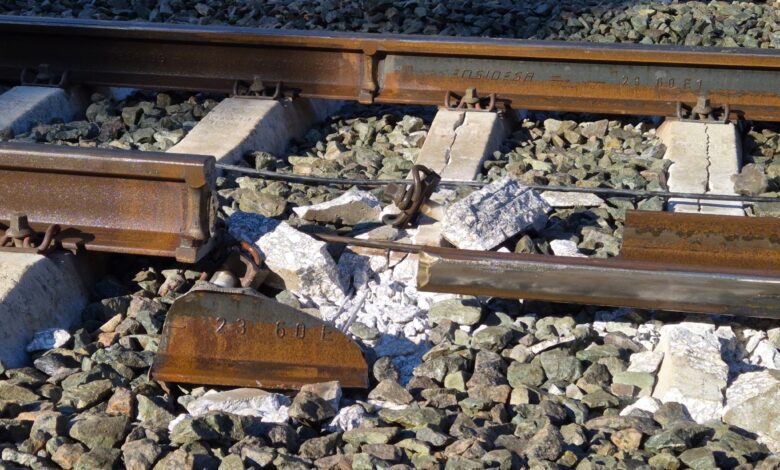
Stricter oversight of railway accident investigations in Spain has become evident following the tragedy in Adamuz. The Montoro court (Cordoba) is demanding that independent engineers urgently provide both their names and a detailed work budget. This decision could reshape the approach to analyzing such incidents and accelerate the adoption of safety measures across the country’s railways.
Judge Cristina Pastor, who is overseeing the case, has already received a list of candidates from the Colegio de Ingenieros de Caminos Canales y Puertos de Andalucía. Three specialists will be selected from this pool to officially join the investigation. Their role is to conduct an independent technical assessment of the circumstances surrounding the collision between the Iryo and Renfe Alvia trains that occurred on January 18, claiming 46 lives. As El Pais notes, the experts are required not only to confirm their willingness to participate but also to submit a detailed estimate: how much time the tasks will take, what resources are necessary, and the cost of each stage of the work.
On Monday, the court sent official notifications to potential experts outlining payment terms and reporting requirements. Once interest in participation is confirmed, a formal selection will take place in line with procedural law. Payment for the engineers’ services is only provided after the final report is submitted and added to the case materials. Notably, the Montoro court insists on engaging professionals with at least 15 years of railway industry experience to eliminate any doubts about the objectivity and quality of the analysis.
Expert requirements
Meanwhile, the investigation continues on other levels. The Commission for the Investigation of Railway Accidents (CIAF) has already gathered key evidence, including data from the black boxes of both trains and CCTV footage from cameras installed on the ETR 1000 Iryo. The extraction and analysis of these materials were authorized by a judge and carried out at CIAF facilities. The final findings of independent engineers will be compared with the results of the commission and law enforcement authorities.
According to El Pais, the Montoro court is operating under heightened public scrutiny. Following a series of tragic railway accidents, including the recent catastrophe in Adamuz, the demands for transparency and independence in investigations have become especially strict. Authorities are aiming not only to identify the causes but also to prevent similar incidents in the future. In this context, it is significant that reports from independent experts will carry equal weight to the official conclusions of state agencies.
Context and implications
The issue of the quality and independence of railway accident investigations in Spain has already become a subject of political debate. As can be seen from the sharp demands of the opposition towards the government following a string of fatal accidents, the public is seeking not only accountability but also systemic changes in transport safety. By speeding up the appointment of experts, the Montoro court is effectively setting a new standard for such investigations.
According to El Pais, it will become clear in the coming days who will analyze the tragedy in Adamuz and how quickly key findings will be prepared. This decision could influence further reforms in the railway sector and the overall approach to independent technical investigations.
Reference: recent major accidents
In recent years, Spain has faced several high-profile railway disasters. In 2023, a train derailment near Zamora sparked wide debate about the state of infrastructure. In 2024, an accident on the line between Madrid and Valencia again raised concerns about technical supervision and staff training. Each incident led to stricter investigation requirements and increased public pressure on authorities. The new standards for independent expertise now being implemented in Montoro could set an example for the entire country.