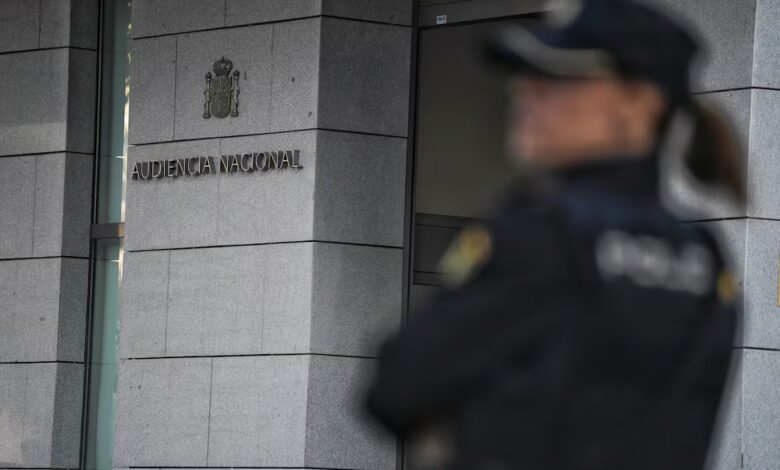
A ruling by Spain’s National Court sent an unexpected signal to employers across the country. The court ordered a major consulting firm to reinstate its traditional Christmas dinner for employees, which had previously been canceled by management. This decision could shift how companies approach workplace traditions and their significance in Spanish labor relations.
The company, specializing in quality control, informed employees in Vigo and Sada (A Coruña) in 2025 that the annual dinner would no longer take place. Management cited cost-cutting as the main reason. However, the unions CIG, CCOO, and UGT disagreed with the decision and took legal action, arguing it violated workers’ rights and altered their working conditions.
Arguments presented by both sides
The unions argued that the dinner was more than just a goodwill gesture—it was part of the company’s established corporate culture. Since 2012, the company had invited staff to a festive event each year, only skipping 2020 due to the pandemic. Workers’ representatives maintained that canceling the dinner without employee consultation amounted to a significant change in working conditions, which required a special negotiation process.
The company’s management, meanwhile, pointed to the need to reduce expenses. The decision was made in writing and shared with all staff. However, the court found that such actions do not comply with labor law when dealing with an established practice viewed as part of an employee incentive system.
The court’s role
The National Court reviewed the case since the company has offices in various regions of Spain. According to ElPais, the judges relied on a legal precedent involving another firm that stopped handing out panettone to its employees, which was also deemed a change in working conditions. In this instance, the court noted that the long-standing tradition of the company dinner had become an additional benefit for employees that could not be canceled without proper agreement.
The court ruling annulled the unilateral cancellation of the dinner and required the company to reinstate the event. This decision could set a precedent for other organizations where such traditions are seen as part of staff motivation systems.
Impact on the labor market
The legal dispute sparked widespread reaction among employers and workers across the country. Many companies are now reviewing their internal policies and traditions to avoid similar conflicts. The court’s decision highlights that even small elements of corporate culture may carry legal weight if they were regularly practiced and viewed as part of employment relations.
Unions believe this case strengthens workers’ positions on preserving social benefits and traditions. Employers, on the other hand, fear that such decisions could limit their flexibility in managing expenses and internal policy.
In recent years, debates have arisen in Spain over the abolition of corporate gifts, bonuses, and other incentives. Some courts have ruled that such measures constitute a change in working conditions if they were part of an established practice. This is shaping a new legal reality for all participants in the labor market.
In 2024, a similar case occurred at a Madrid company, where the cancellation of an annual employee gift was also deemed a violation of labor rights. The court then ordered the employer to reinstate the tradition, despite economic hardships. Such decisions are becoming increasingly frequent, reflecting growing attention to details of corporate life and their impact on relations between employees and employers.