Events related to attempts to gather members of the therian community in various Spanish cities unexpectedly drew the attention of thousands and sparked a wave of debate. For Spaniards, this became a reason to reflect on the boundaries of self-expression and how quickly unusual phenomena can escalate into mass disturbances. The consequences of these gatherings affected not only the participants but also city services, while intensifying discussions about tolerance and public safety.
Barcelona: crowds and chaos
In Barcelona, around the Arc de Triomf, about 3,000 people gathered hoping to see real therians—individuals who identify with animals and behave accordingly. However, instead of the expected attendees, the crowd was mostly teenagers, curious onlookers, and people eager to film the scene on their phones. The mood quickly became tense: at first it looked like an ordinary city hangout, but then clashes erupted, public property was damaged, and individuals were detained. According to RUSSPAIN.COM, police arrested five people—four by Mossos d’Esquadra officers and one by the municipal police.
The scene was marked by noise, shouting, and attempts by some participants to attract attention through costumes and masks. There were no real therians among those gathered, which only deepened the crowd’s disappointment and frustration. As a result, city services had to deal with the aftermath, while the heated debate on social media fueled even more interest in the topic.
Madrid and other cities
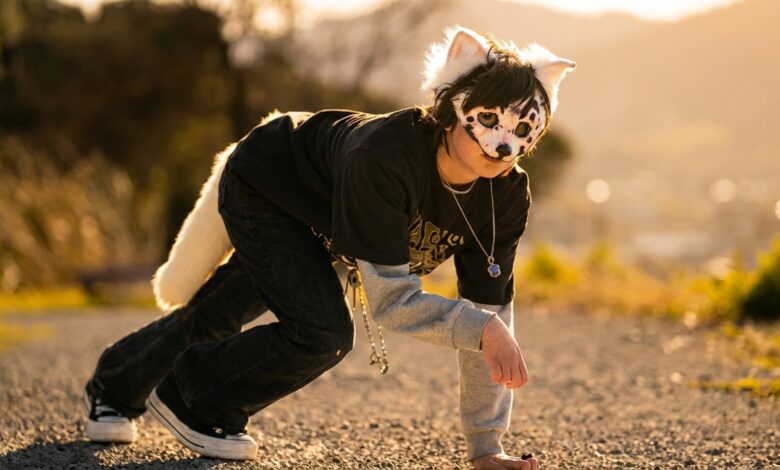
In Madrid, at Puerta del Sol square, the situation unfolded differently, though no less strangely. Several people wearing animal masks moved around on all fours, surrounded by hundreds of onlookers with their phones out. The event looked more like a performance than a real gathering of like-minded individuals. People filmed, took pictures, commented on what they saw, but there were only a couple of actual members of the therian community present.
In Málaga, only one person in a horse mask attracted any attention, while a young man in a fox mask was detained. Attempts to gather therians in Zaragoza, Pamplona, and A Coruña also failed—most of those who showed up were simply curious onlookers, not the intended audience. In some cities, such as Bilbao and Córdoba, the meetups were canceled due to fears of attacks and threats.
Fear and cancellations
In Bilbao, only two young people showed up and decided not to wear masks. They explained that their lives are not so different from anyone else’s and expressed regret about the rumors and speculation circulating around their community. The organizers in Córdoba said they would no longer hold public events due to insults, threats, and attempts to disrupt their meetings.
All this shows that in Spain, interest in unusual phenomena is often met with misunderstanding and even hostility. Social media has only amplified the effect: discussions, memes, and videos spread rapidly across the country, while the actual participants found themselves in the spotlight they were unprepared for.
Context and similar cases
In recent years, Spain has repeatedly faced mass gatherings that started as harmless flash mobs but ended with police intervention. For example, in 2024, an attempt to hold a costume parade in Valencia resulted in arrests due to public order violations. In 2025, a large-scale gathering of anime fans in Seville ended with the evacuation of the square after a false alarm. Such events show that new forms of self-expression often provoke a strong public response and demand a swift reaction from the authorities. Spanish cities are still searching for a balance between freedom and security, while unusual initiatives spark new public debates.