The US Federal Aviation Administration (FAA) has lifted temporary restrictions that had barred commercial companies from launching rockets during the day. These measures were introduced in early November due to a partial government shutdown, aimed at reducing the workload for air traffic controllers. As a result, all launches from spaceports in Florida, California, and the Delmarva Peninsula could only take place at night.
With the end of the prolonged shutdown, federal agencies have resumed normal operations. The FAA officially announced the lifting of restrictions on November 17, allowing companies to schedule missions at any time of day. This decision is particularly significant for SpaceX, which has become the US leader in the number of launches in recent years.
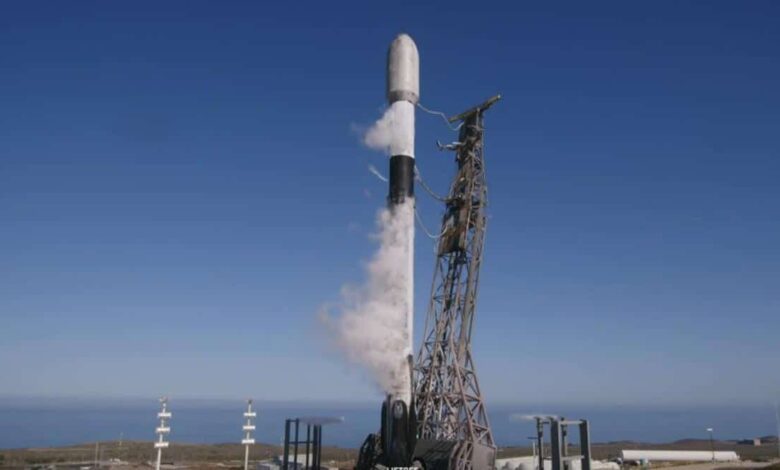
SpaceX is actively developing its Starlink satellite network, providing global internet access. This year alone, the company has carried out over a hundred launches, despite temporary restrictions. During the one-week ban, SpaceX managed to conduct four missions, including three Starlink deployments and the launch of the Sentinel-6B satellite for oceanographic research.
Some launches had to be postponed or adjusted, but major delays were avoided. For instance, NASA’s ESCAPADE mission to Mars, launched on a New Glenn rocket by Blue Origin, received special permission for a daytime launch even during the restrictions.
A return to the regular schedule opens up new opportunities for commercial operators. They will now be able to plan missions flexibly, without having to adapt to nighttime windows. This will speed up the deployment of new satellites and allow for more efficient use of launch infrastructure.
Experts note that lifting restrictions will have a positive impact on the industry’s development as a whole. Companies will be able to execute projects more quickly, while government agencies will coordinate air and space traffic more efficiently. In the coming months, an increase in the number of launches and further expansion of satellite networks is expected.