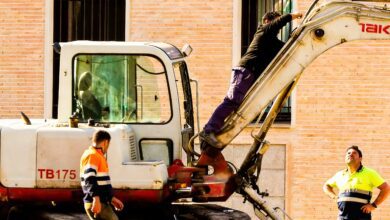
The question of who should pay for the costly repairs after a section of the N-6 national highway collapsed has sparked intense conflict between the municipality of El Espinar and the Ministry of Transport. The €587,000 bill for road restoration could impact the financial stability of the small town and set a precedent for other municipalities facing similar situations. For local residents, this is more than a financial dispute—it’s about road accessibility, safety, and the government’s responsibility for infrastructure.
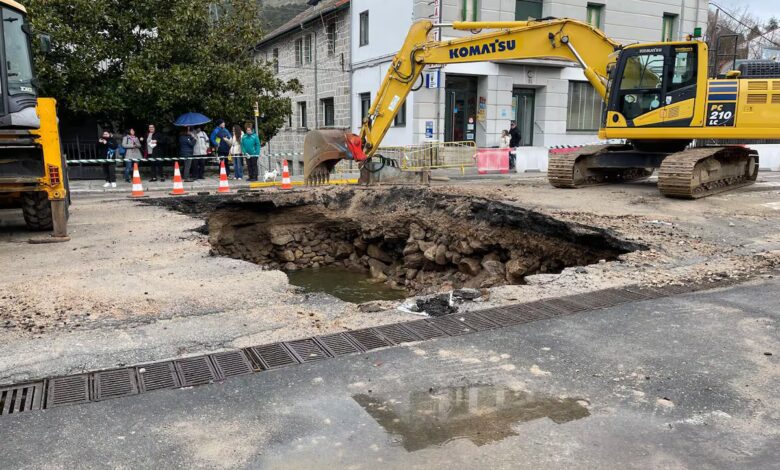
The core of the conflict lies in the events of March 2025, when heavy rains caused a large sinkhole on a section of the N-6 highway passing through the San Rafael area. The Ministry of Transport quickly carried out repairs, estimating the cost at nearly €600,000, and billed the municipality of El Espinar. The ministry claims the incident was due to operational errors and poor maintenance of municipal utilities running under the road—specifically, faults in the municipal collector, which failed under the strain caused by mixing rainwater and domestic wastewater.
Arguments of both sides
The municipality firmly disagrees with the ministry’s position. City engineers insist that the main cause of the collapse was the insufficient capacity of the old drainage facility, which is managed by the state. In their view, responsibility for the incident lies with the ministry, as it was responsible for monitoring the condition of this section of the road and carrying out necessary maintenance on time.
El Espinar Mayor Javier Figueredo stated that he does not intend to pay the bill voluntarily. He emphasized that the municipality does not have the authority to intervene in works on the national highway and cannot be held responsible for sections outside its jurisdiction. According to the mayor, the city completed all necessary works within its territory, and any further action was impossible without coordination with state authorities.
Political confrontation
The situation quickly escalated into a political conflict. The municipal council, in which the Partido Popular holds the majority, launched a strong action against Transport Minister Óscar Puente, declaring him persona non grata in El Espinar. City officials accuse the ministry of harming the interests of residents and trying to shift financial responsibility onto the local budget.
In response, the ministry insists on its correctness, citing technical reports and expert examinations. The agency claims that errors made during municipal works in 2022, as well as flaws in connecting the new and old sections of the collector, led to the accident. According to the ministry, El Espinar should bear the repair costs, as its actions were the root cause of the collapse.
Impact on residents
For El Espinar residents, the consequences of the conflict have been quite tangible. During the road repair, traffic through San Rafael was blocked, forcing many to use the AP-6 toll highway as an alternative. This resulted in additional expenses for locals and sparked widespread discontent.
In addition, the town hall restricted the movement of heavy trucks on municipal roads to prevent further damage. However, the national road remains one of the main transit routes, posing added risks for city infrastructure and heightening tensions between local and state authorities.
Legal perspective
The issue of who will ultimately pay for the repairs is now being decided in court. The mayor of El Espinar insists that only a judicial decision can settle this dispute. The municipality is prepared to defend its position to the end, considering the ministry’s demands unfounded and a threat to the city’s financial stability.
At the same time, ministry representatives are confident that their position is backed by both technical and legal arguments. They emphasize that such situations should be resolved within the framework of current legislation to avoid setting precedents where municipalities evade responsibility for their communications.
In recent years, Spain has seen an increase in cases where, after natural disasters or road accidents, disputes arise over who should pay for restoration work. In 2024, a similar conflict occurred in Galicia, where local authorities also refused to pay for repairs to a national highway, citing design flaws in state projects. In Andalusia in 2023, a dispute between the municipality and the ministry ended with a court ruling in the city’s favor, setting an important precedent for other regions. Such situations highlight the need for clear delineation of responsibilities between levels of government and for timely infrastructure updates to avoid new conflicts and financial losses.