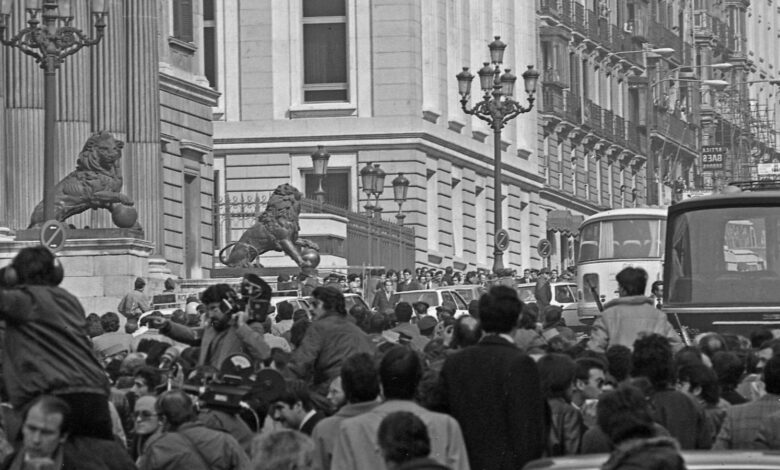
Spain is preparing for an event that could reshape how one of the country’s most debated historical chapters is perceived. Authorities have announced the upcoming release of archival materials related to the attempted coup d’état of February 23, 1981. For many Spaniards, this is more than just a historical episode—these newly revealed documents may shed light on details that have remained unknown for decades and could influence public opinion regarding the roles of key figures from that era.
Government plans
According to El Confidencial, the Council of Ministers has approved the declassification of more than a hundred documents related to the events of 23-F. The official publication is scheduled for February 25, 2026, in the Boletín Oficial del Estado (BOE). After this date, the materials will be available not only to historians but to anyone interested. Government representatives clarified that the archives will be accessible online from noon on the same day via the official La Moncloa website.
Authorities promise the documents will be organized in a detailed list to make finding information easier. To access them, users will need to locate the relevant order in the BOE for the specified date and then go to a dedicated section on the La Moncloa portal, where the files can be downloaded. This approach is intended to make the process as transparent and convenient as possible for anyone interested in Spain’s history.
What will be published
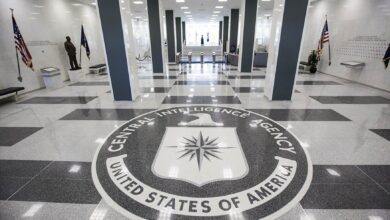
Among the materials soon to be made public are expected to be correspondence between members of the Royal Household, government officials, and the military, as well as records of phone conversations received by Antonio Tejero during the takeover of Congress. Special attention is given to the 23-F court case preserved in the Supreme Court, which includes 89 volumes of evidence and audio recordings. There are also plans to declassify part of the archives of the former CESID intelligence agency (now CNI).
However, not all documents will become publicly available. Access will only be granted to materials in the possession of the Spanish Administration. Archives governed by separate laws or held in other departments may remain closed. This means that some details of the events of February 23, 1981 will still stay out of the public eye.
Significance for society
The release of the archives has sparked wide public interest among both experts and ordinary citizens. Many believe that opening the documents will help dispel the myths and rumors that have surrounded the events of 23-F for decades. Questions about the role of certain politicians, the military, and the monarchy are once again in the spotlight. As analysts note, such measures may not only alter attitudes toward the past but also influence current political debates.
In this context, it is worth recalling a feature that took a closer look at society’s expectations regarding the disclosure of secret archives and the potential impact on perceptions of history — read more about it in the publication about what the Spanish government is hiding.
Context and related events
In recent years, Spain has already dealt with the release of archival materials connected to key moments in its history. For example, documents on the GAL case and the events of the transition period after the dictatorship were previously made public. Each time, the publication of such information sparked heated debates and inspired new research. Making the 23-F archives available could become another step towards a more open dialogue about the country’s past and its influence on the present.