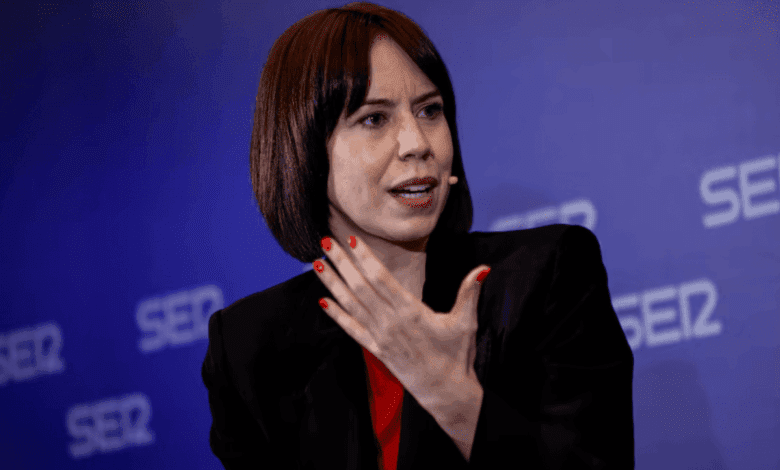
A new round of debate is flaring up in Spain over appropriate standards of conduct in politics. Statements by Diana Morant, Minister of Science and General Secretary of PSPV-PSOE, have prompted a reassessment of attitudes toward ethics and gender equality within the party. The scandal involving the former mayor of Almussafes and ensuing accusations against party members have brought to light longstanding internal tensions within Valencia’s Socialist Party.
Morant has spoken out openly against all forms of sexism and unacceptable behavior among politicians, stressing that women are no longer willing to tolerate outdated patterns. Her remarks came amid high-profile investigations related to allegations of harassment and internal party conflicts. The minister emphasized she is ready to take a firm stance on such incidents, even if it sparks discontent among her colleagues.
Internal discord
The situation surrounding the former mayor of Almussafes, who was expelled from the party after being accused of inappropriate conduct, has become a catalyst for discussing the boundaries of what is permissible in the political arena. The ex-mayor himself claims to be the victim of a campaign against him and has filed a counter-complaint against his accuser. These events have provoked a strong reaction among party members and the public, raising doubts about the effectiveness of internal mechanisms for controlling and responding to such incidents.
Morant stated that if restoring order in the party requires a woman leader’s intervention, she is ready to take on this responsibility. In her view, women should not have to bear the burden for the behavior of male colleagues who violate standards of decency. Her stance has garnered support among some party activists, but also sparked a wave of criticism from opponents who consider such statements excessively radical.
Political repercussions
During her public address, Morant also touched on relations with the country’s leadership and regional authorities. She voiced full support for the current prime minister, calling him a key figure for social democracy not only in Spain, but across Europe. The minister stressed that she sees no reason to distance herself from the government’s course, despite attempts by some politicians to pit her against other party leaders.
At the same time, Morant criticized the head of the Valencian government, accusing him of a lack of dialogue and unwillingness to discuss important issues for the region, such as funding and allocation of budget resources. According to her, the regional leader’s current stance hinders constructive cooperation between the two largest political forces in the autonomous community.
Financial disputes
Special attention was given to the controversy surrounding the new funding model for Valencia. Morant questioned the sincerity of the regional government’s demands, reminding that its representatives had previously signed documents contradicting their current statements. She pointed out that rejecting the central government’s proposed funding scheme could negatively affect the interests of the region’s residents.
The minister expressed her willingness for dialogue but stressed that real negotiations are impossible without meetings and concrete proposals from the opposition. In her view, public statements about wanting to engage in dialogue are not backed by real action, which only aggravates the situation and delays the resolution of key regional issues.
Context and consequences
In recent years, Spain has faced a series of scandals involving politicians and breaches of ethical standards. Allegations of harassment, sexist remarks, and abuse of power have repeatedly become topics of public debate and led to the resignations of high-ranking officials. Internal party conflicts, like the current one, have already resulted in revisions of statutes and stricter codes of conduct for party members.
In 2025, a similar incident occurred in one of the regional party organizations, when a series of harassment allegations led to an internal audit and the introduction of new ethics standards. Such events push political forces toward greater transparency and accountability, while also sparking public debate about acceptable boundaries of behavior in the public sphere. As a result, expectations for political culture and standards of conduct in Spain continue to tighten, impacting all levels of government.