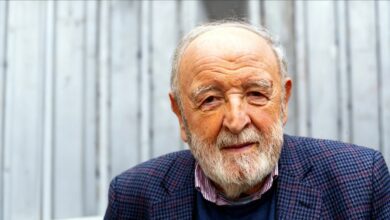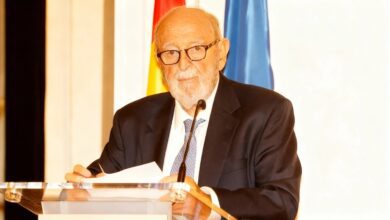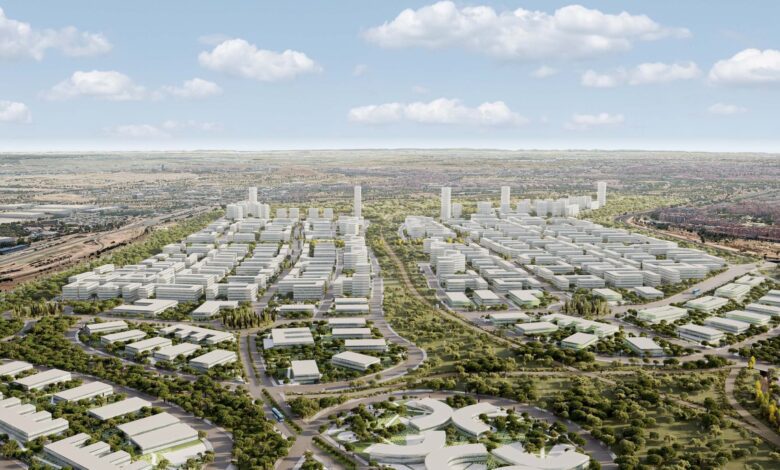
On the eastern edge of Madrid, between the districts of San Blas-Canillejas, Coslada, and the M-40 ring road, preparations are underway for one of the city’s largest urban development projects in recent decades. Here, on the last major undeveloped plot in the capital, a completely new neighborhood is set to rise—one that promises to become a model of modern and sustainable urbanism. Driving this ambitious initiative is Alfredo Zulueta, chairman of the managing commission, for whom this project is not just a business venture but a matter of family honor.
The future neighborhood will feature more than 2 million square meters of green spaces, with up to 21,000 new apartments planned. The focus goes beyond housing to include a fully developed urban environment with advanced infrastructure, innovative technology, and an emphasis on sustainability. But behind these numbers is a personal story: it was on this land that the grandfather of the current project initiator once worked.
A city where fields once lay
Plans to develop the eastern part of Madrid have been under discussion for years, but only now has the project gained genuine momentum. The district, named Nueva Centralidad del Este, will be divided into four separate neighborhoods. Each will have its own schools, shops, and social facilities from the very first phase of construction. This approach is designed to spare future residents the inconvenience of lacking infrastructure during the early stages of settlement.
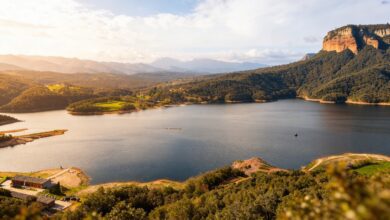
Special attention is being given to preserving the area’s natural features. The Lagunas de Ambroz will serve as the ecological core of the new district. Architects have planned for high-rise buildings to be located closer to these lagoons, allowing as many residents as possible to enjoy views of the natural landscape. A green boulevard, longer than the famous Castellana, will run along the neighborhood, becoming not only an ornament but also a key element for sustainable mobility.
Technology and Housing
One of the key features of the project is the integration of modern technology into everyday life. The district’s center will house a data center, which will not only store data, but also provide heating and cooling to homes by recycling energy. This approach will reduce the strain on city utilities and make the neighborhood more energy efficient.
Half of the residential stock will be allocated as affordable housing with safeguards against speculation, which should ease the pressure on Madrid’s overheated real estate market. Both the city and regional authorities support the project, and interest from developers and investors continues to grow. Small and medium-sized construction companies are already actively purchasing land for future development.
Challenges and Obstacles
Despite optimistic statements, the project faces a number of challenges. First and foremost, there is a need to upgrade electrical grids and other infrastructure. In addition, coordinating among more than two hundred landowners requires significant effort and time. However, the presence of an already built metro station within the future district provides a distinct advantage from the outset.
Local residents from nearby neighborhoods, particularly El Cañaveral, are eagerly awaiting the start of construction, hoping for improved transportation access and new job opportunities. At the same time, the timeline for the project remains uncertain: the first homes are not expected before 2034, as many bureaucratic procedures and approvals still lie ahead.
Personal and community life
For Alfredo Zulueta, this project is more than just another urban development. He emphasizes that he wants to create a district his daughter can be proud of—one that will serve as an example for future generations. His family’s connection to this land gives the project a special emotional significance and inspires the search for innovative solutions.
The new Eastern Centrality is set to become not just another residential area, but a symbol of how personal ambition and memories of the past can blend with the modern demands of urban life. In the coming years, Madrid is expected to undergo a major transformation, and this project is already being called one of the most significant for the capital in the 21st century.
In case you didn’t know, Alfredo Sulueta is a well-known figure in Madrid’s urban development scene. He heads the commission overseeing the development of the city’s eastern districts and is actively involved in discussions on new urban standards. His approach combines respect for family traditions with a drive to implement innovative solutions, making him one of the most prominent players in the capital’s real estate market.