In recent years, Madrid has seen a noticeable increase in the number of students forced to take out loans to pay for their education. This trend became particularly evident after the pandemic, as demand for higher education remained high while access to public university spots stayed limited. For many young people and their families, financing education has become a critical issue, directly impacting their financial situation and future plans.
According to the Asociación de Usuarios Financieros, over the past six years the number of education loans in the region has grown by 61.5%. The average loan amount is €18,100, with Madrid ranking third in the volume of such loans after Navarra and Catalonia. Most loan applications come from students entering undergraduate and master’s programs, as well as their families. As noted by El Pais, the rising cost of living and the limited number of public university seats are pushing more people to turn to banks.
Causes and consequences
The situation is worsened by the fact that no new public universities have been opened in Madrid in recent decades. At the same time, the number of private institutions is rising, and tuition fees there are significantly higher. For many students, especially those from low-income families, taking out a loan becomes the only option. As a result, young professionals begin their careers already in debt, affecting their financial stability and their ability to live independently.
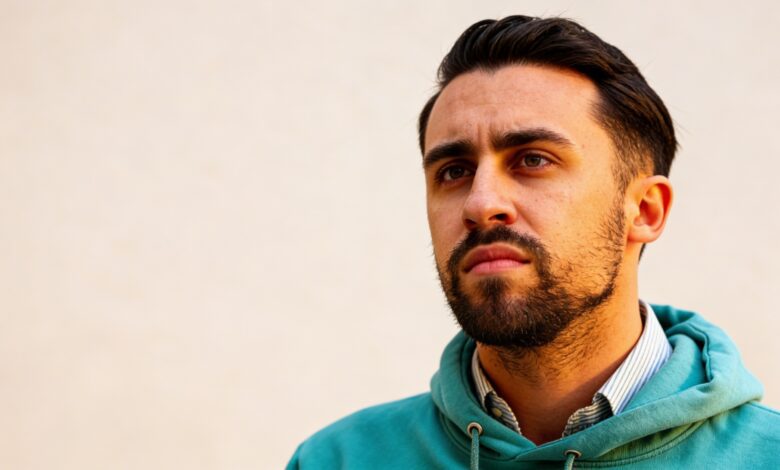
Stories like that of Marcos Martínez are becoming increasingly common. After completing a master’s degree in audiovisual production, he has to pay the bank €363 per month to cover his student debt. Meanwhile, the costs of rent and daily necessities keep rising. Many students combine studying with work to afford their expenses, yet even this does not always prevent them from going into debt.
The student loan market
Banks offer a variety of student loan options, including grace periods with minimal payments at the start of studies. However, such arrangements lead to higher overall repayments due to interest rates, which experts estimate at between 7% and 8% per year. The length of repayment depends on the type of education: about a year for bachelor’s degrees and up to seven years for master’s programs. According to Antonio Gallardo from Asociación de Usuarios Financieros, these loans are most often taken out by students in private master’s programs related to business and management.
The rise in the number of private universities and the reduction of state-funded places is increasing competition for affordable education. Authorities in Madrid continue to approve new private campuses despite criticism from university associations. As a result, according to El Pais, private universities have already surpassed public ones in the number of master’s students, especially in medicine and healthcare, where tuition fees are traditionally high.
Financial pressure on families
For many families, education expenses have become comparable to housing costs. On average, experts estimate that renting in Madrid alone costs around 600 euros per month. With government scholarships and subsidies not available to everyone, and the cost of living continuing to rise, student loans are often the only way to earn a degree. As a result, young professionals begin their adult lives in debt, which affects their ability to save and invest.
A similar situation can be seen in other regions of Spain, where access to basic services is becoming increasingly difficult. For example, in Castilla y León, residents of small towns face the disappearance of local shops and have to travel to bigger cities for shopping, as detailed in the article about problems with retail in rural areas.
In recent years, the need to reform the education funding system has been widely discussed in Spain. Authorities and experts propose increasing the number of state-funded university places and revising the rules for awarding scholarships. Meanwhile, banks are expanding their educational loan programs, tailoring them to new market demands. Other European countries also report a rise in students taking out loans for their studies, but this trend is particularly noticeable in Spain due to the high cost of living in major cities and limited access to public universities.