In March 2026, Spain will experience a significant religious moment—the end of Ramadan and the start of Eid al-Fitr. This occasion will affect not only Muslim families but also the everyday life of many cities across the country. School, bank, and office closures, along with large gatherings in streets and mosques, will cause noticeable changes to the usual routine. For Spaniards, this means new routes, an unusual calm in business districts, and a surge of activity in residential neighborhoods.
Eid al-Fitr, which in 2026 falls on March 20, has been officially announced by the Comisión Islámica de España. The holiday marks the end of the holy month and the start of the month of Shawwal in the Islamic calendar. On this day, Muslims dress in festive clothes, gather with relatives and friends, visit mosques for communal prayers, and host abundant feasts featuring traditional sweets. Special attention is given to children—they receive gifts, and families often visit the graves of their ancestors.
Traditions and customs
Eid al-Fitr is celebrated differently in various regions of Spain and around the world. In major cities like Madrid and Barcelona, streets on the eve of the holiday are filled with people shopping for new clothes, sweets, and souvenirs. In some countries, such as Indonesia, the night before the celebration is called Takbiran—people set off fireworks and hold lively processions. In Spain, the focus is on family gatherings and prayers, as well as charity—many Muslims make donations to those in need.
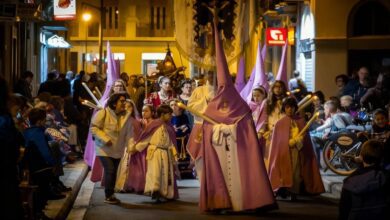
On the day of the holiday, mosques are filled to capacity and festive processions can be seen in the streets. After prayer, families gather around the table to enjoy dishes made with dates, nuts, and traditional Middle Eastern sweets. In some areas, women decorate their hands with henna and children receive small gifts or money. According to russpain.com, recent years have seen a rise in events dedicated to Eid al-Fitr in Spain, reflecting the growing influence of the Muslim community on the country’s cultural life.
Ramadan in Spain
In 2026, Ramadan began on February 19, and for a month Muslims observed a strict fast. Each day, the fast started before dawn after a meal (suhoor) and ended in the evening at sunset (iftar). Traditionally, the fast is broken with dates and water before proceeding to the main dinner. However, Ramadan is not only about abstaining from food and drink, but also a time for spiritual purification, prayer, and strengthening family ties.
During this period, Muslims try to avoid negative thoughts, arguments, smoking, and other actions that might disturb the atmosphere of holiness. Ramadan is considered a time not only to cleanse the body, but also to strengthen willpower and show compassion to those in need. In the final days of the month, markets and shops are crowded with people preparing for the holiday, choosing gifts, clothing, and sweets for loved ones.
Organization and schedule
In Spain, fasting times depend on sunrise and sunset, so the start and end times shift slightly each day. For convenience, there are special online services such as islamicfinder.org that provide exact prayer times for any location in the country. Still, many people prefer to check the schedules published by local mosques.
In recent years, Spain’s major cities have seen a rise in events marking the end of Ramadan. Airports and train stations become especially busy, as many Muslims travel to other cities to visit family. Women go to beauty salons to prepare for the holiday, while children eagerly await gifts and treats.
Context and recent developments
In recent years, the celebration of Eid al-Fitr in Spain has become increasingly visible. In 2024 and 2025, large festivities in Madrid and Barcelona drew thousands of participants. City authorities noted that such events help strengthen intercultural dialogue and mutual understanding. In some regions, additional security measures and temporary traffic restrictions were introduced to ensure order during mass prayers and processions. These changes to city life are becoming more familiar in Spain’s major urban centers, reflecting the country’s growing social diversity.