The reopening of eight key establishments in El Port de la Selva has become a significant event for both the town’s residents and local businesses. Following the sudden closure of restaurants and bars after a tragedy involving their owners, the city was on the verge of losing a substantial part of its gastronomic infrastructure. This directly affected not just the economy, but also the social life of the small coastal community in northern Costa Brava.
In August last year, the city was shaken by the news of a suicide involving a couple who managed several venues. More than 22% of the town’s restaurant offering became unavailable, leaving about a hundred employees without work. For twenty local entrepreneurs, this meant serious financial losses. However, by early spring, the situation began to change thanks to the proactive efforts of local businesspeople determined not only to restore jobs but also to preserve the town’s unique gastronomic identity.
New faces and changes
The recovery began when several entrepreneurs from El Port de la Selva and neighboring towns took on the management of the shuttered businesses. One of the first to act was a businessman from Figueres, who had previously leased premises from the former owners. He completely renovated the interior, changed the name to Blaus, and brought in a renowned chef to develop the menu. The restaurant now operates year-round, something previously thought impossible for this town.
The Perelló family, with a long history in the restaurant business and a focus on dishes made from local products, has also decided to expand its activities. After negotiations with the owners of the historic Ca la Maria bar, they decided to lease the venue, carry out renovations, and open a signature tapas restaurant by the end of February. This approach not only preserved jobs but also offered residents and tourists new gastronomic experiences.
Reviving traditions
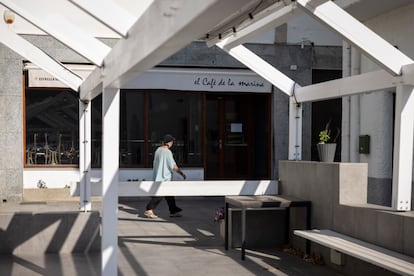
Another local restaurateur family took over the management of Ca l’Herminda, which had long been regarded as one of the best restaurants in El Port de la Selva. The venue has already reopened after renovations. An entrepreneur closely connected to the town has taken charge of Can Rubiés, and a suitable manager is still being sought for Cafè de la Marina. The fate of Ave María, located far from the center, remains uncertain.
As for the two beach bars — Xiris on Platja Gran and Platja del Pas — their licenses were put up for tender in January. City authorities expect to conclude the selection process for new operators by the end of February. The lease term is four years, with the minimum annual rent set at €5,000 and €6,000, respectively.
Role of local authorities
The municipality has actively supported the initiative of local entrepreneurs. According to Mayor Lidia Ferrer, it is the residents themselves—who are well-acquainted with the specifics of tourism and the region’s climate—who can ensure stable operations for the establishments. She points out that even having a terrace does not guarantee success if the weather conditions turn unfavorable.
Former mayor Josep María Server also believes that the current situation opens up new opportunities for the city. Diversifying venue management reduces the risk of repeating last year’s crisis, when all key establishments were controlled by a single party. Now, each business is developing independently, making the city less vulnerable to similar shocks.
Context and similar cases
In recent years, Spain has repeatedly faced situations where the closure of several establishments at once had a noticeable impact on the life of small towns. For example, in Galicia and Andalusia, after the bankruptcy of large restaurant chains, local entrepreneurs also took the initiative to preserve jobs and support the economy. In Catalonia, such stories often spark discussions about the role of small businesses in regional resilience. These examples show that the involvement of local residents and entrepreneurs can not only save the economy, but also breathe new life into traditional establishments.