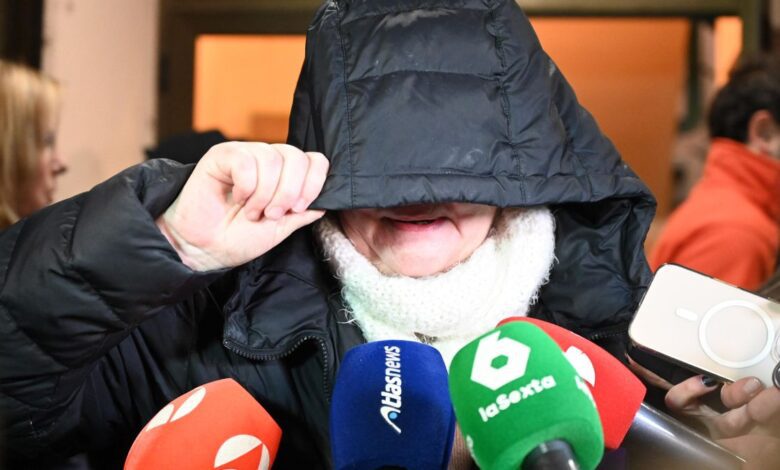
In northern Spain, in a small community of about 700 people, an unexpected win in the El Gordo Christmas lottery brought not only joy but also a fair share of headaches. In the village of Villamanín, located in the province of León, the local festival organizing committee faced a complicated problem: it turned out that the number of shares sold for the winning number exceeded the official number of lottery tickets. In Spain, selling lottery shares is a common and legal practice, but this time the system failed. As a result, residents were forced to negotiate partial forfeiture of their winnings to avoid legal disputes and maintain harmony within the community.
At first glance, this may seem like an isolated incident, but it actually reflects a much wider phenomenon. El Gordo is not just the country’s biggest lottery—it’s a true social ritual that unites millions of Spaniards every year, regardless of their profession, age, or region.
Tradition and scale
El Gordo takes place every December and is the main event of the year for lottery enthusiasts. The grand prize reaches 4 million euros, with billions awarded in total. In Spain, a country of roughly 48 million people, participating in the draw has become part of national culture. People buy full tickets as well as shares—known as “participaciones.” This allows even those unwilling to spend 20 euros on an official ticket to try their luck and join in the collective anticipation.
Shares are sold not only by individuals but also by associations, trade unions, shops, schools, as well as groups of neighbors who pool funds for local festivities. Buying a share isn’t just about a chance to win—it’s a way to support collective initiatives. Crucially, such deals are built on trust: every share must correspond to a real ticket; otherwise, misunderstandings can arise, as happened in Villamanín.
Lottery at the Workplace
What makes El Gordo unique is its deep connection to working life. In offices, factories, hospitals, and schools, colleagues often pool money for a shared ticket number. Someone keeps a list, collects contributions, and safeguards the ticket. Discussions sometimes arise about whether new employees should join in, or what to do if someone leaves before the draw. These questions are usually settled informally, over kitchen chats or coffee breaks.
As long as the number doesn’t win, nobody worries about potential problems. But when luck strikes, debates begin: how to split the prize, or what to do if there are more shares than tickets. In Villamanín, residents chose to avoid court and settle matters among themselves, even if it meant each person got a little less. This approach is reminiscent of collective labor negotiations, where preserving harmony is more important than maximizing gains.
Social Impact
El Gordo does not make investors or the wealthy richer. This lottery is geared towards ordinary people: workers, retirees, small business owners. For many, it’s a chance to gain extra income that could change their lives, even if only for a short while. In times when salaries don’t always guarantee stability and social mobility is on the decline, this shared hope for luck becomes all the more valuable.
Unlike in other countries where lotteries are often seen as something marginal, in Spain, participating in El Gordo is simply part of everyday life. Here, your profession or political views don’t matter. Everyone is hoping for the same thing: that fortune will smile on their group, their office, their village. It’s not a competition—it’s a collective anticipation of a miracle.
A Test of Trust
The incident in Villamanín proved that even the most well-functioning systems can fail. When real money is at stake, trust between people gets put to the test. But it’s the ability to come to agreements, make compromises, and resolve disputes without going to court that sets the Spanish approach to collective luck apart.
El Gordo doesn’t solve all problems or eliminate inequality, but once a year it gives millions of people a reason to dream of something better. Maybe that very sense of unity and shared hope is what makes the lottery such an important part of Spanish life.