A political standoff is unfolding at the heart of Europe as the European Parliament urges Spain to finally approve the European Union’s electoral reform. This measure, stalled since 2018, would set a minimum vote threshold for gaining seats in the Parliament. If Madrid gives in, nationalist and smaller parties risk losing their representation in Brussels. Spain remains the only country yet to give the green light to the new system, creating a noticeable imbalance in representation across Europe.
The issue goes beyond bureaucracy. Behind the scenes are political deals and calculated maneuvering. Spain’s refusal to ratify the reform is closely tied to its agreements with the Socialists and Basque nationalists. As Madrid drags its feet, nationalists and independent groups continue to claim more seats than they would under the new rules. This frustrates Spain’s European partners, who see the situation as both unfair and potentially harmful to EU unity.
Political bargaining
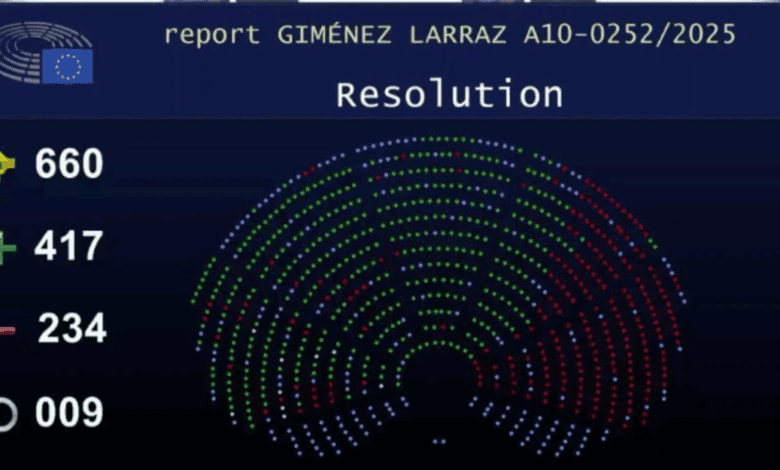
In Strasbourg, lawmakers do not hide their frustration: Spain is deliberately delaying the process to maintain support from its regional allies. In July 2025, the European Parliament officially accused the Sánchez government of obstructing the implementation of EU-wide regulations. A report, adopted by an overwhelming majority, directly pointed to Madrid’s “political will” to protect the interests of nationalist parties.
The essence of the reform is simple: to win a seat in the European Parliament, a party must receive between 2% and 5% of the vote. In Spain, this rule would strike a blow to a number of parties — from Basque and Catalan groups to emerging left-wing movements. In the most recent election in 2024, for example, the CEUS coalition, which included PNV, secured a seat with just 1.63% of the vote. Under the new rules, that result would not have earned them a single seat.
European Context
The reform applies only to countries with large electoral districts: Germany, France, Italy, Spain, and Poland. But so far only Madrid has failed to meet its obligations. In Germany, despite debates over constitutionality, the new rules are already in effect. France has long enforced a five percent threshold. Italy and Poland are technically not covered by the reform since they divide their territory into smaller constituencies.
Brussels is open about it: Spain’s delay is disrupting the whole system. Until Madrid ratifies the document, the reform cannot take effect for everyone. This creates not just legal but also political confusion. European parties cannot plan their campaigns, and voters in different countries are left on unequal terms.
Domestic Agreements
The reasons behind Spain’s resistance are clear. In November 2023, the Socialists and Basque nationalists struck a deal: no changes to electoral law without the approval of the PNV. This provision was crucial in forming the new government. Formally, the Cabinet’s decision alone is enough to ratify the reform. But the political cost of such a move is too high for Sánchez.
Domestically, the issue sparks controversy. Some believe Spain must follow European rules, while others fear losing the influence of regional parties. As a result, Madrid is now trapped between its own promises and its European obligations. While some demand equal rules for all, others defend their political positions at any cost.
The democracy paradox
The situation is growing increasingly absurd. The European Parliament points out that, because of Spain’s stance, Brussels ends up with lawmakers who were backed by only a tiny fraction of the European electorate. This undermines confidence in the very principle of representation. The report openly mentions a ‘democratic distortion’ and the urgent need to address it.
Meanwhile, Madrid is in no hurry to compromise. For Sánchez’s government, the question is about more than just European standards—it’s about the survival of his own coalition. Any move toward reform risks losing nationalist support and even triggering a political crisis.
A Crucial Test for Madrid
In May 2025, a European Parliament delegation visited Madrid to investigate the reasons for the delay. After meeting with officials and experts, the MEPs were stunned: the Spanish government was deliberately defending the interests of regional parties, despite pressure from Brussels. The EU maintains that only unified rules can ensure transparency and fairness in elections.
While Spain remains the only country blocking the reform, the European electoral system continues to operate by outdated standards. Whether Madrid values European solidarity more than its internal political deals is still an open question. And this decision could prove costly not just for Spain itself, but for the entire European Union.