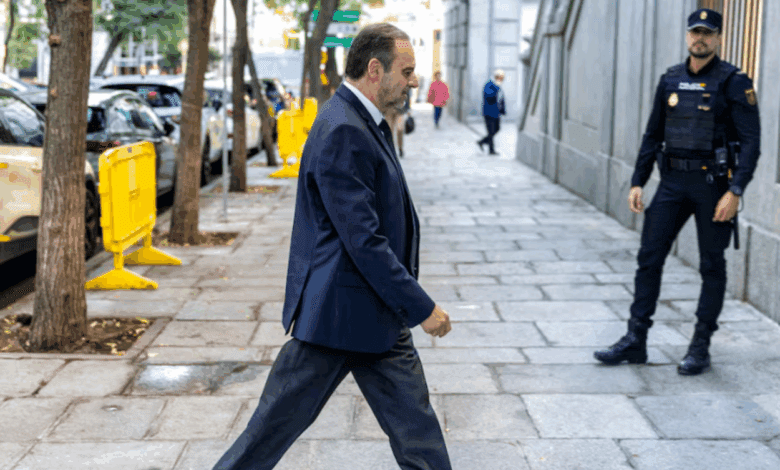
Former Spanish Transport Minister José Luis Ábalos has found himself in yet another difficult position: his lawyers have once again dropped his case. This marks the second time Ábalos has lost his legal counsel, and once again, the reason is not legal complications but a straightforward financial dispute. This time, the news reached Ábalos within the walls of Soto del Real prison near Madrid, where he awaits trial on corruption charges.
Chabaneix Abogados Penalistas, the law firm that took over Ábalos’ defense after his first lawyer left, has officially announced the end of their collaboration. According to unofficial reports, the dispute centers around unpaid fees. Attorney Carlos Bautista, a former prosecutor of the National Court, personally came to the prison to inform his client of the decision. Legal insiders admit the situation for Ábalos is becoming critical.
Another Change of Defense
Ábalos’s troubles with lawyers have dragged on for months. After parting ways with his first attorney, José Aníbal Álvarez, who urged him to cooperate with prosecutors and even recommended giving up his seat in parliament to stall the proceedings, the former minister chose a new team. But that partnership also fell apart, as financial disagreements became an insurmountable obstacle.
An official statement on withdrawing from the case has already been submitted to the Supreme Court. The document does not disclose details, but legal circles are convinced—it is about outstanding payments for services. Now, with just a week left until the key hearing in the Supreme Court, Abalos has no lawyer willing to represent him.
Legal deadlock
The situation is further complicated by the fact that a hearing on Abalos’ appeal against Judge Leopoldo Puente’s decision to detain him is scheduled for January 15. If no new lawyer is found by then, former prosecutor Baustista may have to temporarily return to the case to prevent procedural violations. There has even been a request to the court to freeze all deadlines to ensure the defendant is not left without representation.
Abalos’ former advisor Koldo García is also held in Soto del Real. Both were arrested last November on suspicion of manipulating government contracts for medical masks during the pandemic. Investigators believe they granted privileged access to tenders for businessman Víctor de Aldama, who in turn generously rewarded the officials.
Charges and risks
The prosecution is seeking 24 years in prison for Ábalos and a fine of nearly 4 million euros. For his advisor Koldo García, 19.5 years and a similar fine have been requested. The trial is expected to begin this spring, by which time the defendants must appoint new legal counsel. Otherwise, the proceedings could collapse or be delayed indefinitely.
The case involves five serious charges: running a criminal organization, bribery, misuse of insider information, influence peddling, and embezzlement of public funds. For Spain’s political elite, this case has come as a real shock; for the legal community, it’s a puzzle. Defending someone at the center of such a high-profile corruption scandal—especially without any guarantee of payment—is a risk few are willing to take.
The Spanish Paradox
The situation with Ábalos is more than just another corruption case. It’s a litmus test for the entire system: when even a former minister can’t find a lawyer to defend him in court, it’s clear there are deeper issues in Spain’s legal framework. Financial concerns can threaten not only private interests but the very possibility of a fair trial.
While Ábalos and his former advisor await trial behind bars, their case continues to stir public opinion. The question of who will take up their defense and on what terms remains unanswered. Lawyers seem hesitant to get involved in a case where the risks are high and payment is uncertain. The Spanish justice system, as always, does not forgive mistakes—neither its own nor others’.