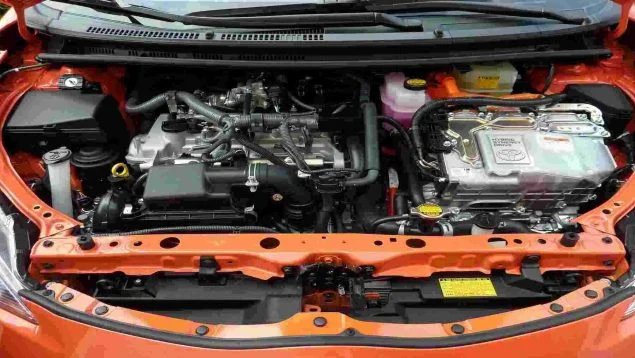
Most car owners in Spain rarely think about the components hidden under the hood of their vehicles. However, even small parts like the expansion tank play a crucial role in keeping the engine running smoothly and preventing serious breakdowns.
This component is part of the car’s cooling system and is designed to compensate for changes in coolant volume as the engine heats up and cools down. When the engine temperature rises, the fluid expands, and the excess is directed into the tank, preventing excessive pressure in the system. Once the engine cools, it draws back the necessary amount of fluid, maintaining the optimal level and protecting the engine from overheating.
There are various reasons why the expansion tank can fail. Most often, problems arise due to excessive pressure, material fatigue, or a faulty cap. Sometimes, defects are caused by air entering the system, aging of the plastic from constant temperature fluctuations and vibration, or by using poor-quality antifreeze. Mechanical damage, installation errors, or impacts are also possible causes.
Malfunction symptoms include coolant leaks, cracks or deformations in the tank body, a distinct smell in the engine bay, and increased engine temperature. In some cases, you may notice spots or puddles under the car, and the fluid level in the system drops for no apparent reason.
If a malfunction occurs, experts advise not to postpone a visit to the auto service. However, if you have experience and the necessary tools, you can try to fix minor issues yourself. It’s important to let the engine cool completely, assess the damage, and if the crack is small, use a special plastic sealant, strictly following the manufacturer’s instructions. In case of serious defects, you’ll need to remove the tank, disconnect all hoses and mounts, install a new component, refill the cooling system, and make sure to remove any air from the circuit.
The cost of replacing an expansion tank in Spain depends on the car’s make and model, as well as the region. On average, the part itself ranges from 30 to 90 euros. In major cities like Madrid or Barcelona, replacement services can be more expensive than in smaller towns. Including mechanic labor, the final amount usually comes to 100–200 euros.
Regularly checking the condition of the expansion tank and replacing the coolant on time can help you avoid unexpected breakdowns and costly repairs. Paying close attention to these details is key to reliable and safe driving on Spain’s roads.