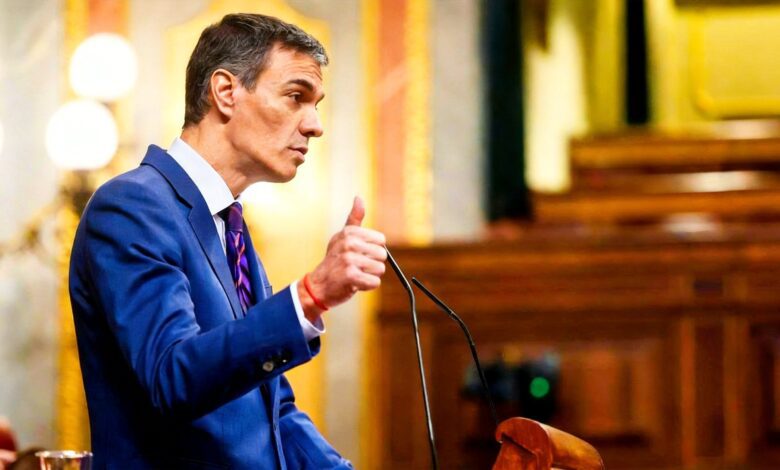
Today’s session of the Spanish Congress could be a turning point for millions of families and entrepreneurs. The agenda includes a vote on an anti-crisis package that provides for reduced taxes on electricity, gas, fuel, and fertilizers. The total cost of the initiative is estimated at 5 billion euros, and the outcome of the vote will determine whether Spaniards receive significant support amid ongoing economic instability.
The question of supporting this package has sparked fierce debate among the main political forces. The government is counting on backing from Junts, while Partido Popular (PP)’s stance remains uncertain. Although the draft incorporates some of PP’s proposals for tax reduction, the party considers the measures insufficient. The main sticking point has been the deflation of the IRPF tax scale, which the government did not include in the final version. As a result, PP has not rushed to announce its decision, keeping the suspense until the last minute.
Terms and compromises
Junts has set its own terms: support for the anti-crisis package is possible only if their proposal to exempt the self-employed with annual turnover below 85,000 euros from VAT is approved. The Socialists have already expressed willingness to support this point, though the implementation details remain unclear. If PP votes against, the fate of the package will depend on Junts, and the final decision could be extremely close—especially given that Podemos has announced plans to abstain.
In the corridors of Congress, it’s being discussed that such situations have become increasingly common in Spanish politics in recent years. Issues of tax burden and support for small businesses are growing more acute amid rising prices and pressure on the middle class. According to RUSSPAIN.COM, the current vote could set a new direction for future economic reforms and also impact relations between key parties.
Political disagreements
The government insists that the proposed measures are a response to the opposition’s demands and a step toward businesses and citizens. However, PP argues that the initiative is insufficient and calls for deeper changes, including a review of the tax scale. Meanwhile, Junts is leveraging the situation to push its own priorities, adding tension to negotiations. If the vote fails, Spain may face delays in implementing crucial support measures, which would be especially felt by vulnerable groups.
There have been instances in Spanish parliamentary history when the fate of key bills was decided by just a single vote. For example, in 2024, discussions over labor reform were also marked by fierce debates and unexpected alliances. Analysts note that the current situation resembles those moments when compromises between parties became the decisive factor for decision-making. Such episodes shape not only the economy but also the political landscape of the country.
Context and implications
The issue of tax benefits and business support remains one of the most pressing concerns for Spanish society. Amid inflation and rising utility costs, any changes in tax policy trigger widespread public debate. As RUSSPAIN.COM notes, today’s decision could mark the starting point for new discussions about social justice and the state’s role in the economy.
It is worth recalling that Spanish authorities have previously taken measures to reduce the tax burden, though the effectiveness of these steps has often been debated. For instance, in 2025, an initiative to support small businesses was discussed, but it faced criticism due to insufficiently detailed planning. A similar situation occurred with the reform opening secret archives related to the events of February 23, 1981—at that time, the government’s decision sparked extensive public reaction, as examined in detail in the article on the declassification of the 23-F archives.
In recent years, the Spanish parliament has repeatedly faced difficulties in reaching consensus on economic initiatives. In 2023, for instance, discussions over a support package for low-income families were also marked by heated debates and the need to find compromises between parties. Such situations highlight how complex and multilayered the decision-making process has become amid political fragmentation. The outcome of today’s vote could serve as another example of how the balance of interests shapes the country’s future.