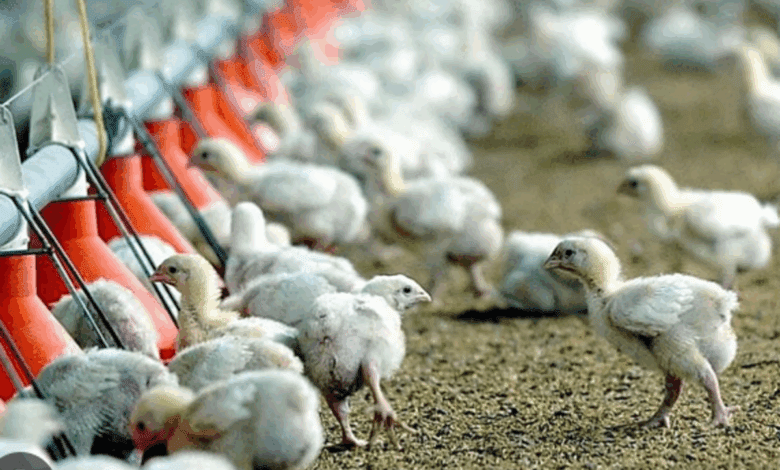
A major fire at a poultry farm in Villafranca (Navarra) has claimed the lives of thousands of chicks and sparked intense debate among local residents. For Spain, such incidents mean not only economic losses, but also raise new questions about safety standards at agricultural facilities. The event has drawn attention to the vulnerability of the agrarian sector to technical failures and the importance of a rapid response from emergency services.
The fire broke out in the morning at one of the three production buildings of the complex located on Camino el Palomar. According to El confidencial, emergency services received the alert at 8:36. Firefighters from Peralta and Tudela, along with Navarra police officers, responded to the scene. Their main focus was to contain the blaze in one building, which suffered extensive damage. The other structures were successfully protected from the spread of flames.
Firefighting operation
Firefighters and police worked amid heavy smoke and intense heat. By 9:45 the fire was under control, and soon after, it was completely extinguished. Emergency services remained on site to prevent reignition and safeguard the rest of the complex. No people were injured in the incident, but more than 10,000 chicks perished, dealing a serious blow to the farm owners and the local economy.
Patrols responsible for public safety and environmental protection specialists from Tudela took part in the operation. At the same time, an investigation into the cause of the fire was launched. According to El confidencial, the main theory is a malfunction in the heating system, which may have triggered the blaze. Investigators are gathering materials and conducting the necessary examinations.
Consequences for the region
The losses from the fire are significant not only for farmers, but for the entire industry. The mass death of poultry could impact product supply and market prices. Regional authorities are already discussing measures to strengthen control over the technical condition of equipment at similar facilities. Preventive maintenance and timely servicing of heating systems are becoming increasingly important to prevent such tragedies in the future.
Fires at agricultural enterprises in Spain are not unprecedented. In recent years, incidents of fires have been recorded at farms in Catalonia and Galicia, which also resulted in the death of animals and damage to infrastructure. The causes were most often technical malfunctions or operational errors. After each such incident, attention to safety standards and the need for regular inspections intensifies. Authorities and farmers are seeking ways to minimize risks in order to prevent similar events from happening again.