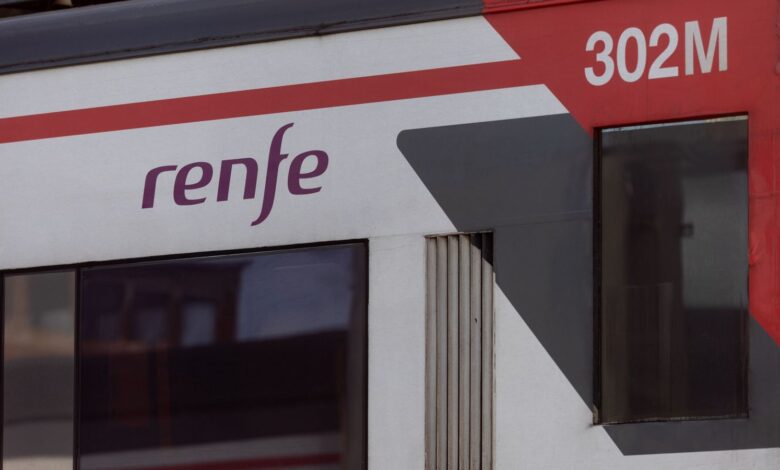
In the evening, thousands of passengers in Madrid were left stranded after suburban train services between Sol and Nuevos Ministerios stations were suddenly halted. The disruption was caused by a transformer failure that triggered a fire right in the tunnel, bringing traffic to an instant standstill and forcing changes to the usual routes on two key lines.
The situation affected not only those rushing home or to work, but also disrupted the city’s overall transit schedule. With the Spanish capital relying on the seamless operation of its rail network every day, incidents like this raise not only inconvenience but also concerns over infrastructure safety and reliability.
The fire broke out around 10:15 p.m., when smoke began to fill the tunnel between Sol and Nuevos Ministerios. Operators immediately decided to stop train movement to avoid any risk to passengers and staff. Fire crews arrived at the scene, focusing on extinguishing the blaze and ventilating the tunnel. As a result, C-3 line trains were forced to turn around at Atocha station, while C-4 trains were rerouted through the Recoletos tunnel, causing further delays and confusion among passengers.
Response from emergency services and passengers
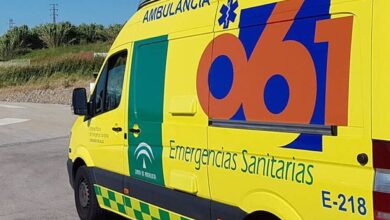
City emergency services responded swiftly: firefighters and safety specialists arrived at the scene within minutes. Their main objective was not only to extinguish the fire, but also to ensure the safety of people near the incident. A dense cloud of smoke formed inside the tunnel, complicating the rescue team’s work and requiring temporary restrictions on access to certain parts of the station.
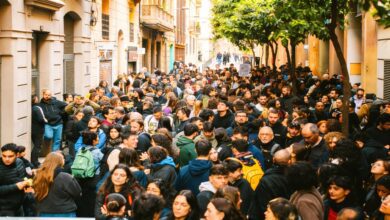
Passengers on platforms or inside trains had to wait for updates on what to do next. Many noted that information about the incident was delayed, and that alternative routes were not always clear. Social media was flooded with complaints about the lack of information and the inconvenience caused by changes to familiar routes.
City authorities and representatives of the railway company promised a thorough investigation into the cause of the fire and pledged measures to prevent similar incidents in the future. Meanwhile, passengers were advised to use other means of transport or to plan their journeys with possible delays in mind.
Changes in train service
As a result of the incident, train services on the C-3 line were limited to Atocha station, where trains turned back. The C-4 line, connecting southern and northern suburbs of Madrid, was temporarily rerouted through the Recoletos tunnel, increasing journey times and adding extra strain to this section of the railway.
Many passengers were forced to switch to other modes of transport or seek alternative routes. This was especially challenging for suburban residents, for whom rail service is the main way to reach the city center. In some cases, delays lasted dozens of minutes, with crowds gathering on platforms waiting for updates on service restoration.
The situation brought to mind recent transport difficulties in other regions of the country. For instance, in Catalonia, residents had already faced severe public transport disruptions, when rail service was only partially restored and buses operated at full capacity. More details about the impact of such failures on local residents can be found in the article about the transport collapse in Catalonia.
Consequences and prospects
The transformer fire has once again raised concerns about the resilience and reliability of Madrid’s transport system. With the city serving millions of passengers daily, even short-term disruptions have significant repercussions for the economy and daily life. Authorities have promised to accelerate infrastructure repairs and conduct additional technical inspections.
It is still unclear how much time will be needed for the full restoration of traffic through the Sol tunnel. Specialists continue to assess the damage and are developing a plan to eliminate the consequences of the incident. Passengers are advised to stay updated and be prepared for possible changes to train schedules in the coming days.
In recent years, Madrid’s transport system has repeatedly faced emergencies related to technical failures, infrastructure accidents, and weather conditions. In 2024, for example, heavy rains had already caused temporary stoppages on certain railway sections. Similar incidents have occurred in other major cities across Spain, where overloaded networks and aging equipment have led to disruptions in transport operations. In such cases, authorities usually respond promptly, but passengers often encounter inconvenience and have to adjust their routes. These events highlight the importance of regular maintenance and modernization of transport infrastructure to minimize risks and ensure the stable operation of the system.