In Spain, there is growing interest in events that bring together different spheres of life and open up new opportunities for young people. FOMOfest 2026 in Valencia was one such event, where leaders in science, sports, and digital culture gathered in one venue. For Spaniards, this is more than just a festival—it’s a chance to see how the approach to talent development and entrepreneurship in the country is changing, and what prospects are emerging for future generations.
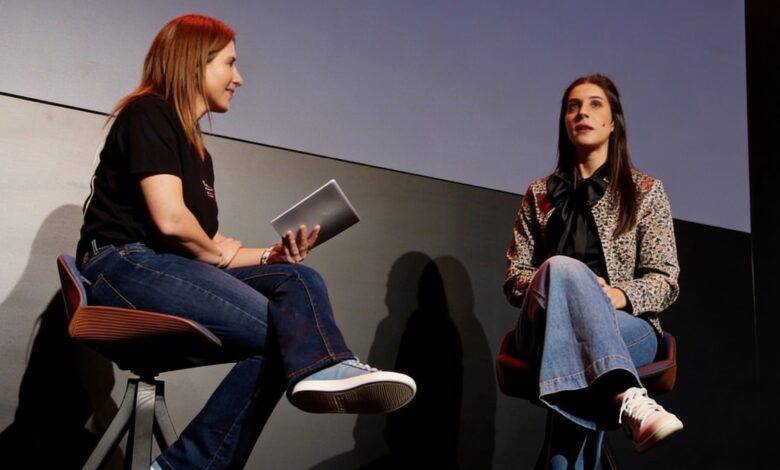
The organizers of FOMOfest opted for an unusual format: around 5,000 participants gathered in one of the port warehouses in Valencia and on the Marina de Empresas grounds. Here, it’s not just about discussing innovation, but also about showing how different professions can impact the economy and society. According to El Pais, the focus is on young people who have not yet chosen a career path but are already looking for unconventional ways to develop.
Prominent figures and new challenges
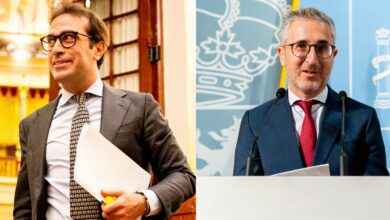
This year’s festival program stood out for its diversity of speakers. Among those on stage were Sara García Alonso—one of Spain’s most renowned scientists and a representative of the European Space Agency—and Gustavo Zerbino, who survived the Andes disaster and has become a symbol of resilience. They were joined by Olympic champion Saúl Craviotto, coach Andrea Fuentes, and athlete Dennis González, all sharing their perspectives on leadership and overcoming adversity.
Special attention was given to technology: Natalia Rodríguez, founder of Saturno Labs, spoke about the role of artificial intelligence in transforming the job market. Her presentation sparked great interest among students and young professionals seeking new pathways for career growth. The program also included workshops by the creative team at TOT Studio, discussions with the hosts of the Drafteados podcast, and a closing lecture from Nil Ojeda on digital culture and creativity online.
Practice and Partners
Throughout the day, participants could not only attend lectures but also take part in hands-on workshops organized by partner companies. Among them were Internxt, Canon, Familia Martínez, and Helados Estiu. This approach allowed guests to engage with new ideas and try their hand at real-world tasks related to technology and business.
FOMOfest is held under the auspices of Lanzadera accelerator, which has supported more than 1,700 startups in recent years. Last September, the program welcomed 120 new projects, reflecting the growing interest in entrepreneurship among young people. As El Pais notes, such initiatives help shape a new generation of leaders capable of changing the nation’s economy.
Context and Trends
In recent years, Spain has seen a marked increase in festivals that bring together different fields—from art to technology. For example, Barcelona recently hosted a fashion week by the sea, where organizers focused on new formats and unusual venues. Such events as the seaside fashion week in Barcelona, indicate that interest in cross-disciplinary projects is only growing. This reflects a broader trend: Spanish cities are becoming venues for experimentation, where people from different professions and perspectives come together.
In recent years, Spain has seen a rise in festivals where not only musicians or artists perform on one stage, but also scientists, athletes, and entrepreneurs. Such events attract young people seeking inspiration and new ideas. In 2025, a forum dedicated to digital professions took place in Madrid, while Seville hosted a conference on the future of education. These gatherings confirm that interest in new formats and interdisciplinary meetings in Spain continues to grow.