Changes have taken place in Spain that could impact the entire police management system. The Ministry of the Interior has taken a step that once seemed impossible: for the first time in Lleida’s history, a woman has been appointed as head of the local police. This decision comes amid a series of high-profile scandals involving sexual harassment allegations among senior officers of the National Police.
The appointment of María Pilar Callejero Cornao was a response to public outcry and pressure that followed after the previous chief, Antonio José Royo Subías, was dismissed shortly after taking office. He was removed due to the disclosure of a past conviction for harassing a subordinate, a case dating back to 2003. Although the court did not prohibit him from continuing to serve, his appointment triggered a wave of criticism and legal battles, and his dismissal was temporarily suspended by a court decision in Catalonia.
Leadership change
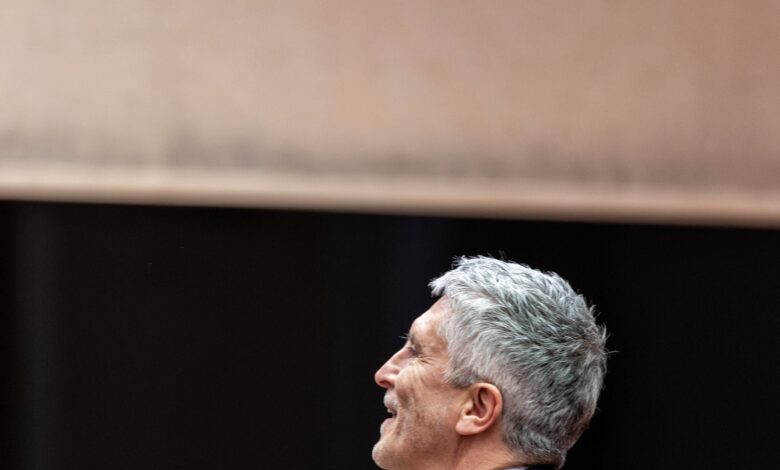
Minister of the Interior Fernando Grande-Marlaska chose a female officer for the post to demonstrate a new approach to personnel policy and show the ministry’s readiness to meet modern challenges. According to El Pais, Callejero’s appointment followed an internal competition, and the selection process took several months due to the need to comply with all legal formalities. Before this posting, Callejero headed the department for foreign nationals and documentation in Aragón, and also had experience leading a police precinct in Zaragoza.
Police scandals were not confined to Lleida. In February 2025, Deputy Director of the National Police José Ángel González Jiménez resigned following allegations of sexual assault from a colleague. This case became one of the most widely discussed in the Spanish media, sparking broad debate on the need for changes in the system. As a result, the ministry is now considering, for the first time, appointing a woman as Deputy Director of the National Police.
Public reaction and consequences
Public opinion in Spain is increasingly demanding transparency and fairness in appointments to leadership positions within law enforcement agencies. The decision to change the leadership in Lleida has become a symbol of changes affecting not only individual regions but the entire country. Experts note that such steps could mark the beginning of broader reforms aimed at preventing abuses and strengthening public trust in the police.
In light of recent events, it is worth recalling that similar scandals have already led to high-profile resignations and personnel changes in other government bodies. For example, a recent investigation involving the deputy head of police in Madrid, which was detailed in the article about the investigation into sexual abuse cases among the police leadership, also sparked widespread public reaction and prompted discussions about the need for change.
Legal aspects
The appointment procedure for the new leader in Lleida was accompanied by legal proceedings. The Catalonia court temporarily suspended the dismissal of the former head, citing possible violations in the decision-making process. However, the ministry exercised its right to hold a new competition and appoint another candidate. Now, the new leader has the opportunity to change the internal atmosphere of the team and demonstrate that change is possible even in the most conservative institutions.
According to El Pais, Callejero’s appointment may be challenged in court or appealed to the Director General of Police, Francisco Pardo. Nevertheless, this move has already become significant for the entire system and could influence future personnel decisions in other regions of the country.
In recent years, Spain has faced the need to rethink approaches to combating discrimination and abuses in government institutions. Scandals related to sexual harassment have repeatedly led to resignations and court cases. In 2024, similar incidents were discussed in the prosecutor’s office and other agencies, prompting authorities to seek new solutions and impose stricter controls on key appointments.