On the map of Spain, there’s a place where time seems to slow down and worries dissolve in the sea breeze. Formentera—the smallest of the Pitiusas islands—has long been synonymous with tranquility, pristine beaches, and an unhurried way of life. Here, you won’t find noisy crowds. Instead of the familiar city rhythm, you’ll discover a laid-back pace valued by those weary of hustle and bustle.
The only way to reach Formentera is by sea: there are no direct flights, and the journey goes through Ibiza. This simple fact keeps away impulsive tourists and helps the island preserve its unique character. The moment you set foot on the ferry, it becomes clear this is more than just a vacation—it’s a true reset. Getting around the island is easy by bike, on foot, or by bus, while cars are mostly unnecessary—locals prefer to savor every moment without rushing anywhere.
Beaches and nature
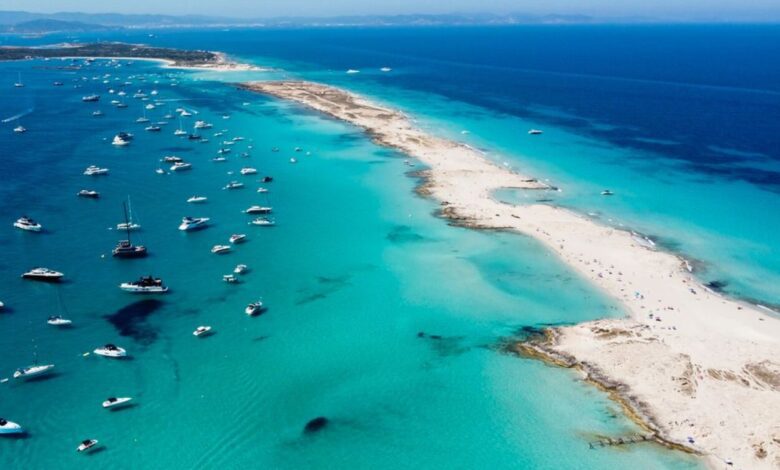
Formentera is renowned for its beaches, frequently listed among the world’s best. Ses Illetes is the island’s calling card and part of the Ses Salines Natural Park. The water here is so clear it seems the boundary between sea and sky disappears. Walk a little farther from the entrance, and you’ll find secluded spots where the only sound is the waves. Llevant Beach is spacious and windy—perfect for those who love open horizons and a sense of freedom.
Cavall d’en Borràs Beach is famous not just for its sand, but also for its sunsets with views of the mysterious island Es Vedrà. Cala Saona, meanwhile, is a cozy cove surrounded by pine trees and cliffs, perfect for snorkeling, paddle surfing, or simply watching the sun slowly dip below the horizon. The southern Migjorn coast stretches for several kilometers, blending sandy and rocky areas, with wooden boardwalks allowing you to walk the entire shoreline without missing a single shade of the local light.
Life beyond the beach
Formentera is not just about beach getaways. Outside the high season, especially in autumn, the island reveals a different side. In September and October, it hosts the ‘Descobreix Formentera a la tardor’ program, offering guests discounts, cultural events, and sports activities. This is the time for music festivals, art exhibitions, hiking trails, stargazing, and even participating in races such as Pujada a la Mola or the 15k Sunset Run.
The island’s gastronomy deserves special mention. Seafront restaurants line the coast, and at markets like those in La Mola, you can sample local products and buy artisan crafts. Small cafés and chiringuito often host summer parties that leave lasting memories. Despite its modest size—with just over 11,000 residents—Formentera impresses with its variety and welcoming atmosphere.
An island without the rush
While other corners of the Mediterranean are grappling with a flood of tourists, Formentera is taking a different approach. Here, nature is carefully protected, eco-friendly transport is promoted, and traditional ways of life are preserved. The island doesn’t rely on loud entertainment—its main value lies in simplicity and harmony. It’s no surprise that European publications are increasingly naming Formentera one of the best destinations for those seeking peace and a chance to reset.
In case you didn’t know, Formentera is part of the autonomous community of Islas Baleares and belongs to Spain. The island is famous not only for its beaches, but also for its unique ecosystem, which is protected at the national level. Construction and infrastructure development are strictly regulated here to preserve its natural beauty. Residents are actively involved in environmental initiatives, and tourism follows the principles of sustainability. Thanks to this, Formentera remains one of the few places in the Mediterranean where you can truly experience harmony with nature.