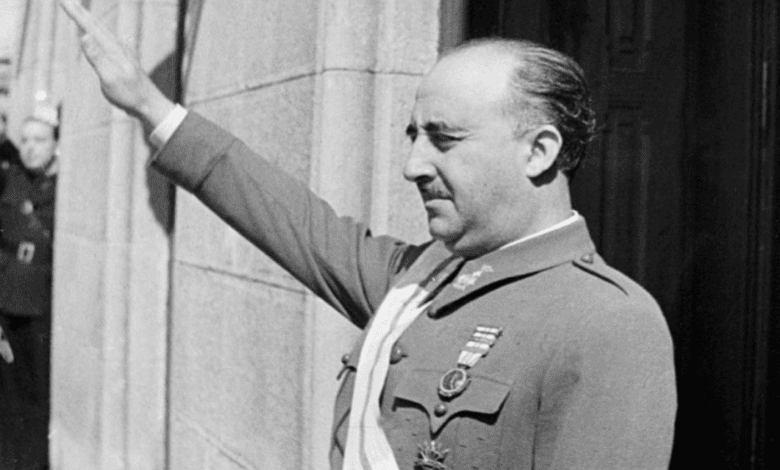
In November 1975, Spain woke up changed. The day Francisco Franco died marked the beginning of a new chapter for many families—a chapter filled not only with hope, but also with anxiety. Memories of that morning are tinged with gray, much like the weather in Santander where the author spent his childhood. For the first time in years, his father drove him to school, just as he had after the attack on Carrero Blanco. Both times, classes were canceled, yet the tension at home lingered. Raised in Republican traditions, his parents never spoke about politics or the Civil War, choosing instead a silence born of fear—a fear passed down from one generation to the next.
A Childhood Shadowed by the Past
People living nearby had lives tightly intertwined with the regime: a neighbor who was an army commander, a friend’s father who served as a police captain, a former chief of the Civil Guard’s command. This environment bred a constant sense of vigilance, and respect for authority was often just a mask for fear. As Spain transitioned to democracy, people were learning to live differently, but old habits of self-censorship and self-restraint persisted. Silence about the past became woven into daily life, and respect for order served as a barrier against memories of repression.
Rethinking History Through Personal Experience
It took decades before the author truly understood how deeply that fear had taken root. Only forty years later, watching the exhumation of Franco’s remains in October 2019, did he feel that history was finally delivering justice to his family. In that moment, his grandmother’s silence and his grandfather’s resilience took on new meaning. The tears in his eyes were not for the dictator, but from the sense that, at last, the memory of the regime’s victims was being officially recognized.
The symbolic significance of the exhumation for society
15,988 days after Franco’s death, Spain took a crucial step toward reconciling with its past. Moving the dictator’s remains from the monumental mausoleum was not only a political decision, but also a moral victory for democracy over dictatorship. Franco was reburied according to Christian rites beside his wife, and the ceremony was observed by his relatives in a silence now dictated not by power, but by history itself. For many, it became a lesson in historical memory and a gesture of respect toward those who suffered from repression. This step allowed thousands of Spaniards to find inner peace and brought closure to a long journey of both personal and national reconciliation.