The death of a French diver in Port de la Selva (Catalonia) has once again drawn attention to water sports safety in Spain. The incident occurred in the popular Far de s’Arenella area, frequented by both tourists and locals for diving. In this region, where tourism and outdoor activities play a major role, such tragedies prompt renewed discussion of safety standards and precautionary measures.
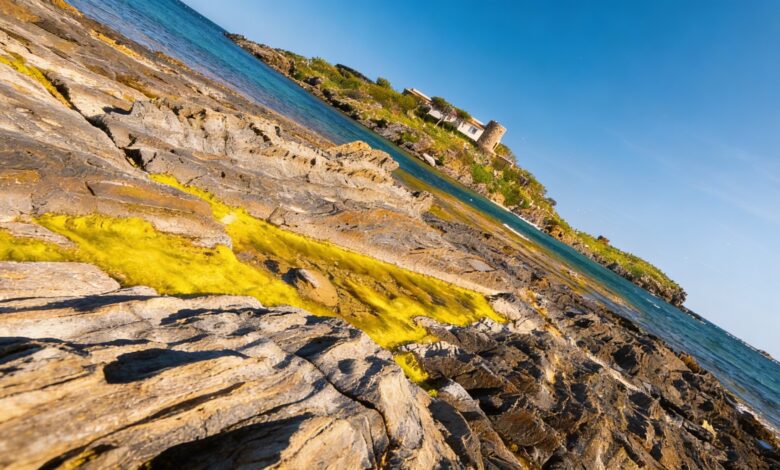
According to El Pais, around midday a group of four divers, including a French citizen about 70 years old, began a dive near Cap de Creus. The participants split into pairs and started exploring the underwater area of Port de la Selva bay. At one point, a diver noticed that his partner had stopped moving and was sinking deeper. Without delay, he brought his companion to the surface and called emergency services at 112.
Emergency response
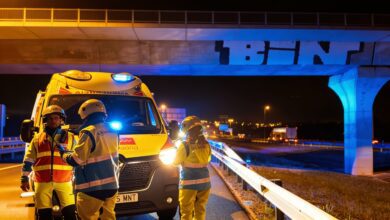
Medical staff from the municipal clinic and a Sistema de Emergencias Médicas (SEM) helicopter quickly arrived at the scene. The diver was in cardiac and respiratory arrest. For half an hour, doctors tried to revive him, but their efforts were unsuccessful. Around 13:00, his death was confirmed and the body was sent to the Instituto de Medicina Legal de Girona (IMLC) for autopsy and to determine the exact cause of the tragedy.
While the medics worked on the scene, municipal guard officers and representatives of the Mossos d’Esquadra — the maritime police and public safety service — also arrived. They gathered the victim’s personal belongings and began processing the initial documents. Later, forensic police specialists from the Civil Guard of Girona joined the investigation to clarify all the circumstances surrounding the incident.
Response and consequences
The incident has caused concern among both locals and tourists who frequent the Alt Empordà coastline. Questions about diver training, equipment conditions, and the level of medical support in such situations have resurfaced. According to RUSSPAIN.COM, such incidents highlight the need for regular inspections and training for everyone involved in underwater sports in Spain.
As El Pais notes, all members of the dive were experienced and had agreed on the route in advance. However, even when all precautions are taken, a sudden deterioration in health can lead to tragedy. In recent years, Catalonia has seen an increase in water-related accidents, calling for greater attention from authorities and specialist organizations.
Context and statistics
Recalling recent incidents, it is worth noting that this is not the first time the region has seen tragedies linked to outdoor activities. For example, a worker in Sant Fruitós de Bages recently died after falling from the roof of a business — details of this case sparked considerable public response and discussions on workplace safety measures. Such incidents highlight the importance of ongoing risk monitoring and prevention not only in industry but also in tourism and sports.
In recent years, Spain has seen an increase in incidents related to extreme types of recreation. In 2025, several people were injured while diving on the Costa Brava due to sudden changes in weather conditions. In 2024, the Balearic Islands area also reported cases of fatalities among swimmers and divers. These incidents are prompting experts and authorities to reassess their approaches to safety and traveler information on potential risks.