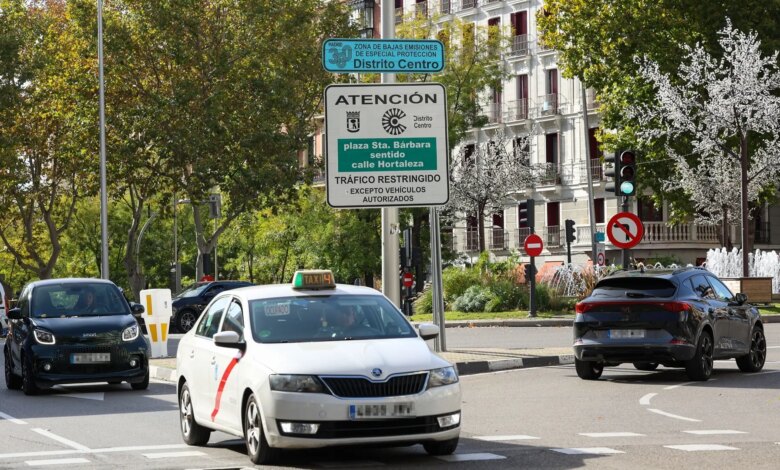
In 2026, new regulations will come into effect in Madrid, impacting all car owners. City authorities have announced that the vehicle tax will now be directly linked to the environmental label assigned to each car. This decision is part of efforts to combat air pollution and encourage the switch to cleaner modes of transport.
Previously, the tax amount depended on the type of fuel used by the vehicle. Now, the key factor will be the presence and type of environmental sticker issued by the Dirección General de Tráfico (DGT). Owners of cars without a label will face higher taxes, while those with ‘ECO’ or ‘CERO’ stickers can expect significant discounts.
The changes will affect not only the vehicle tax but also parking fees in municipally regulated zones. For plug-in hybrid cars, the annual charge will be determined by the all-electric range—if it exceeds 40 kilometers, the fee will be lower.
Special attention is given to corporate fleets. Companies using vehicles with ‘CERO’, ‘ECO’, or ‘C’ environmental labels will receive a 50% tax discount. This could prompt many businesses to rethink their vehicle registration strategies and abandon the practice of registering cars in other municipalities where they are not actually used.
Until now in Madrid, the vehicle tax was determined by engine power and vehicle category. For example, for passenger cars with less than 8 horsepower, the tax was 20 euros per year, while for cars with more than 20 horsepower it amounted to 224 euros. Other types of vehicles, such as buses, trucks, and motorcycles, were subject to separate rates.
According to recent studies, the highest vehicle tax rates in Spain are found in Donostia (San Sebastián), where the average annual payment exceeds 86 euros. Other cities with some of the most expensive taxes include Barcelona, Ceuta, Ciudad Real, and Granada. At the other end of the spectrum are Santa Cruz de Tenerife and Melilla, where the average tax does not exceed 34 euros.
The introduction of new regulations in Madrid reflects a nationwide trend toward stricter environmental standards and encouraging the use of low-emission vehicles. These measures are expected to speed up fleet renewal and reduce air pollution in the capital.