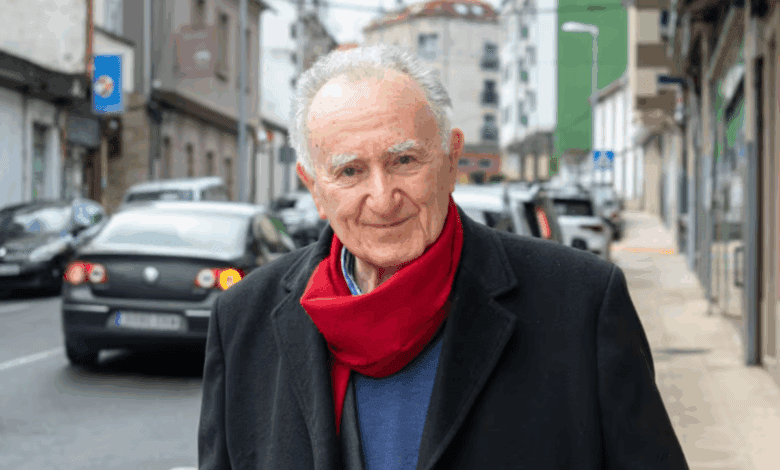
The death of a man who devoted decades to the protection and development of the Galician language has become an event that cannot go unnoticed by Spanish society. The loss of such an intellectual affects not only Galicia’s cultural identity, but also language policy across the country. His work shaped the discourse on preserving regional languages and inspired generations to fight for their rights.
On Thursday in Vigo, at the age of 98, one of Galicia’s most renowned philologists and public figures passed away. His name became synonymous with tireless efforts to popularize and defend the Galician language, as well as a symbol of resistance during difficult historical periods. Throughout his long life, he not only taught, wrote, and spoke publicly, but also took an active part in public life, never hesitating to voice his views openly even under pressure.
Public reaction
Immediately after news of his passing, the region’s leading cultural and academic organizations expressed deep condolences. His colleagues and students note that he was more than a scholar—he was a true opinion leader capable of uniting people around the idea of preserving cultural heritage. Many remember him as someone unafraid of debate, who always stood his ground even when it sparked controversy.
This figure’s contribution to the development of Galician philology and literature has been recognized with numerous awards and state honors. He was not only the author of dozens of academic works, but also an initiator of new educational programs aimed at promoting his native language among young people. His research in sociolinguistics is still considered among the most significant in Spain.
Path and convictions
Throughout different years, he taught in various cities across the country, held leadership positions in academic institutes, and participated in the work of public organizations. His academic interests spanned a wide array of topics—from poetry and biographies to analysis of language policy and the history of repression. A special place in his work was dedicated to defending the rights of those persecuted for their beliefs and language.
He was among the first to speak openly about the problems of social isolation faced by the Galician language and the need for its protection at the state level. His books and articles often became subjects of public discussion and even debate, but this was precisely what helped draw attention to key questions of identity and culture.
Legacy and impact
Over the years, he became a role model for many young scholars and activists who continue his work. His approach to teaching and research was marked by a special passion and attention to detail, making his lectures and publications sought after not only in Galicia, but also beyond its borders. He actively collaborated with various foundations and organizations supporting the development of regional languages and cultures.
His name is associated with the creation and development of key institutions dedicated to the study and promotion of the Galician language. Thanks to his efforts, many forgotten pages of the region’s history were brought back into public awareness, and the stories of repressed writers and cultural figures received renewed attention.
The context of recent years
In recent years, Spain has repeatedly debated the status of regional languages and the necessity of supporting them at the national level. The death of such a significant figure has once again sparked discussions about the role of cultural leaders in shaping national identity. It recalls how, in 2024, after the passing of another prominent defender of the Basque language, the public also discussed the future of linguistic diversity in the country. Such events prompt a reconsideration of education and cultural policies, as well as a search for new ways to preserve the unique heritage of the regions.