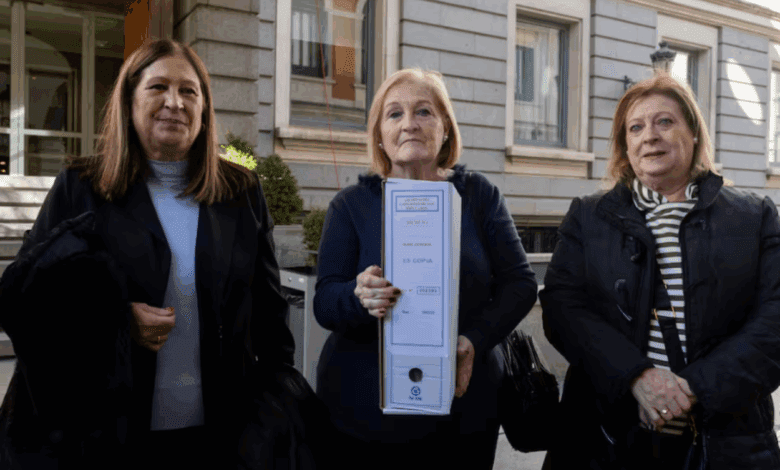
Two thick archival volumes, over two thousand pages, and a flash drive with audio recordings — all of this is now in the hands of the García Caparrós family. For nearly half a century, the sisters of the slain young union activist have waited for this moment, hoping to unravel one of the greatest mysteries in Spain’s late 20th-century history.
Manuel José García Caparrós was killed in Málaga in 1977 during a massive demonstration for Andalusian autonomy. He was just 18 years old. According to the official version, he died from a police officer’s shot, but the shooter’s identity was never revealed. Since then, his sisters — Purificación, Dolores, and Paqui — have never stopped fighting for the truth.
Long-Awaited Access to the Secrets
This week, the women left the Congress of Deputies with the very materials compiled by the parliamentary commission investigating the events of December 1977. Within these documents may hide the name of the person responsible for their brother’s death. Yet, even now, decades later, the information remains officially classified, and the sisters could face legal consequences if they decide to make the details public.
The family is already seeking legal counsel to determine exactly what can be disclosed and what still falls under state secrecy. Despite the risks, the women are determined not to be silent for another fifty years. They believe the truth must come out, even if it brings new challenges.
The Tragedy that Changed Andalusia
On that December day in 1977 in Málaga, thousands took to the streets demanding autonomy for Andalusia. Tensions peaked outside the provincial administration building when a protester tried to raise the Andalusian flag. Police used force, panic broke out, rubber bullets and smoke grenades were fired. Amid the chaos, García Caparrós was fatally wounded. The bullet removed at the hospital mysteriously disappeared, and the official account of events contradicted eyewitness testimony.
The family was told the young man had been in an accident, but the truth soon came to light. For his sisters, the tragedy became a personal heartbreak—and a symbol of the fight for justice for all of Andalusia. They are convinced: the shot was aimed not just at their brother, but at the entire region.
A New Hope for Justice
Access to the archives became possible thanks to recent changes in Congress regulations, allowing confidential materials to be reviewed without names being redacted. The García Caparrós family now hopes to learn who was involved in their brother’s death and, perhaps, to secure official recognition and an apology.
Their fight began with support from left-wing political forces, and in recent months has gained new momentum thanks to parliamentary initiatives. Now, with the documents finally in their hands, one main question remains: Can they reveal the name of the shooter and restore justice nearly half a century after the tragedy?