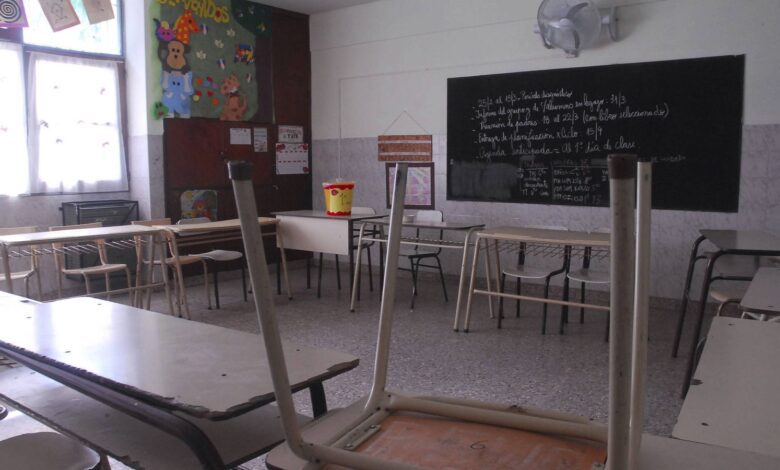
A heated debate has erupted in Catalunya after a questionnaire on gender identity and personal boundaries was handed out to 10–11-year-old pupils in primary schools. Questions such as “How do you feel: boy, girl, or unsure?” and “What gender were you assigned at birth?” have sparked widespread discussion among parents, educators, and politicians. Some argue that such surveys may confuse children and serve as a tool for promoting ideology, while others insist it’s a way to identify vulnerable students and support every child.
The questionnaire is part of the ESSIC project, implemented by the departments of education and health of the Generalitat de Catalunya. According to officials, the survey aims to assess students’ emotional and social well-being in order to develop effective prevention strategies. Authorities emphasize that participation is voluntary, parental consent is required, and the goal is to understand how children feel at school and at home.
Parents and Politicians Respond
Public outcry emerged after parents and family associations (AMPA) began sharing photos of the controversial questions on social media. The sections on self-perception and gender identity in particular sparked lively debate. The controversy soon moved beyond the internet and reached the regional parliament. People’s Party (Partido Popular) deputy Montserrat Berenguer stated that many parents were not informed in advance about the content of the survey when they gave consent for their children to participate.
The survey also includes questions about incidents of sexual violence: “Has anyone touched your body without your consent?” and “Have you ever touched someone without their consent?” These items were introduced amid a rise in investigations into sexual violence involving minors. According to the prosecutor’s office, in 2024 alone, more than 3,000 cases related to such crimes have been opened in Spain, and this number continues to grow.
Accusations of imposing views
Representatives of the organization Feministes de Catalunya reacted particularly strongly to the questionnaire. According to their chair, Silvia Carrasco, such questions may cause anxiety in children who are only just beginning to form their sense of self and understanding of the world. She notes that they are regularly approached by concerned mothers who believe that topics related to gender identity are being promoted under the guise of education in schools.
Carrasco emphasizes the importance of distinguishing between education and ideological influence. In her view, schools should provide knowledge based on scientific data—not opinions or passing trends. She believes the survey questions may confuse children who are not yet ready for such topics, and that they are not supported by scientific evidence.
Arguments in defense of the survey
However, not all experts share these concerns. Psychologist and professor Noemí Pereda, a specialist in child victimology, is confident: questions about gender are standard practice in international research. According to her, such questions help to consider the interests and feelings of children whose gender identity does not match the sex assigned to them at birth. Pereda believes that asking about this does not harm the child, whereas remaining silent and ignoring the issue is what truly poses a danger.
The expert notes that if a child has not encountered such situations, they will simply answer “no.” But if the child has been a victim of violence, the questionnaire could be the first step toward getting help. Pereda emphasizes that it is important not only to collect information, but also to respond appropriately to signs of potential danger to the child.
At the heart of the debate lies the question: where is the line between caring for children and intruding into their private lives? Some parents worry that the school is taking on too much, while others believe that educational institutions are obliged to protect students and help them cope with difficulties. The Catalan authorities insist that the questionnaire is a tool to identify problems and support children, not an attempt to impose certain views.
As the debate continues, many families are calling for greater transparency and information regarding such initiatives. Experts advise schools to clearly communicate the purpose and content of surveys to parents in order to prevent misunderstandings and conflicts. The question of how and what to teach children in today’s environment remains open and is sparking increasing debate in Spanish society.