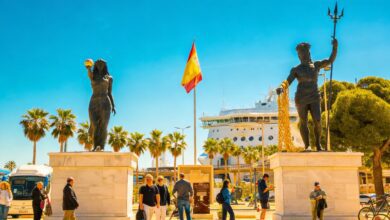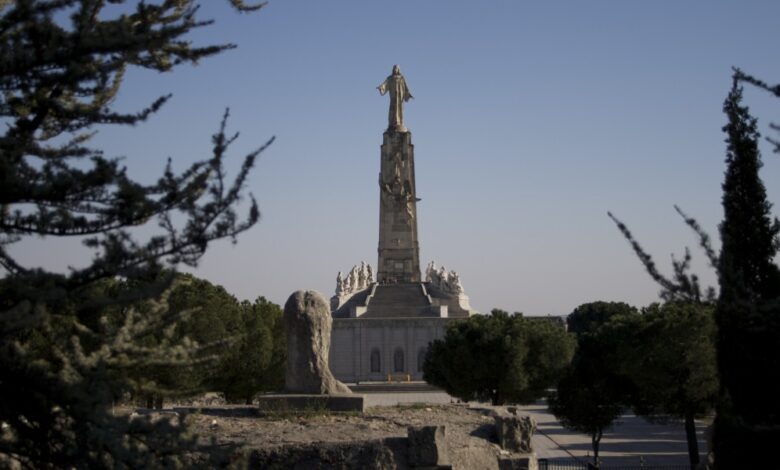
Just a few kilometers south of the Spanish capital lies Getafe—a city that, over the past half-century, has transformed dramatically from a quiet agricultural settlement into one of the main industrial, educational, and residential centers of the Madrid metropolitan area. Today, it is a dynamic and densely populated municipality, attracting more and more people thanks to its convenient location, developed infrastructure, and high quality of life. Its story is a vivid example of how smart development and a fortunate set of circumstances can radically change the image and status of any locality.
According to the latest demographic data, at the beginning of 2025 the population of Getafe had reached an impressive 189,906 residents. This figure is more than just a statistic—it places the city as the sixth most populous in the Community of Madrid and 34th nationwide. In terms of resident numbers, Getafe is now comparable to major cities like its neighbors Leganés and Fuenlabrada, and even to the Basque capital Donostia-San Sebastián. All these cities hover around the 190,000 mark, forming a league of Spain’s major urban centers.
From humble town to metropolis
To fully appreciate the scale of these changes, it’s worth looking back. In 1960, only around 19,000 people lived here. It was a completely different world—quiet and unhurried. But from that moment, explosive growth began and everything changed. In just one decade, by 1970, the population had more than tripled, reaching 69,000. This dramatic surge was directly tied to internal migration and a wave of industrial development sweeping across the country. People from all over Spain came here in search of work and a better life, as the city rapidly grew new neighborhoods, factories, and roads, becoming an important industrial satellite of the capital.
The three pillars of modern Getafe
The city’s current fame rests on three main pillars. First is education. The presence of one of the country’s most prestigious universities, Universidad Carlos III, makes Getafe a magnet for young people not only from across Spain but also from abroad. The university campus sets the pace of city life, filling it with energy and innovation. Second is a robust industrial and business base. The city has preserved and expanded its industrial potential, becoming home to numerous companies and enterprises, which ensures stable employment and economic prosperity. Finally, the third claim to fame is sports. The local football club, Getafe, which plays in the top division, has long been the city’s calling card. Its success on the national stage, including two appearances in the Copa del Rey final and participation in European tournaments, has brought Getafe’s name far beyond Spain’s borders.
Comfortable living at the gateway to the capital
What makes Getafe such an attractive place to live? The answer lies in the successful combination of several factors. The city offers its residents a well-developed social infrastructure, modern services, and a rich cultural and educational program, making it an ideal choice for both families with children and young professionals. One of its key advantages is excellent transport accessibility. An efficient public transport network—including Cercanías commuter trains, a metro line, and dozens of bus routes—provides fast and convenient connections to the center of Madrid. Additionally, the city stands out for its dynamic community and social diversity, a direct result of its long-term and sustainable growth. Here, the conveniences of a metropolis are seamlessly combined with the calmer, friendlier atmosphere of a suburb.