Google tech reaches a new milestone
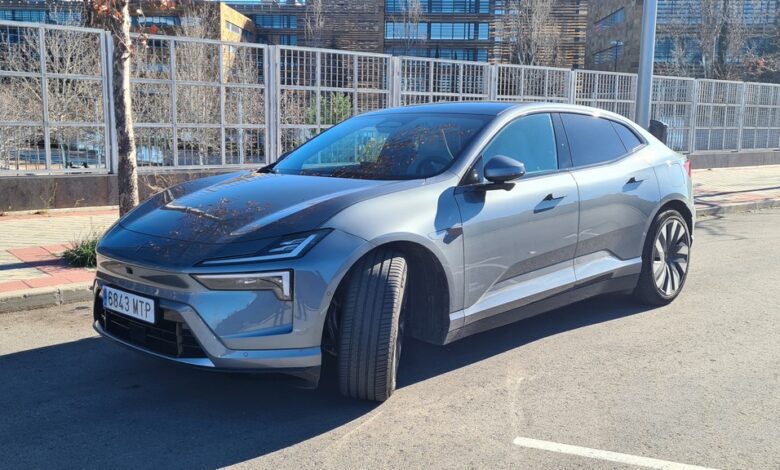
Google has unveiled a fresh update for its navigation system, set to change the way people drive. Cars equipped with Android Automotive now get access to Live Lane Guidance—a feature that uses augmented reality to help drivers select the optimal lane. Polestar 4 electric vehicle owners will be the first to try it, with the rollout starting in the US and Sweden.
How Live Lane Guidance works
Unlike traditional maps with arrows and voice prompts, the new technology analyzes road conditions using the vehicle’s cameras and sensors. Artificial intelligence identifies lane positions in real time, reads road signs, and displays dynamic recommendations directly on the dashboard screen. The driver sees which lane to choose for a safe maneuver and gets early warnings if lane changes are needed or if a wrong turn is about to be made.
Benefits for drivers and future potential
Previously, users had trouble navigating complicated interchanges or heavy city traffic. Static arrows and standard audio cues didn’t always provide enough support. Google’s new solution helps reduce mistakes, improves safety, and makes driving more intuitive. In the coming months, the company plans to expand the list of supported car models and regions, though there’s no timeline yet.
Integration with the car’s digital ecosystem
The implementation of Live Lane Guidance became possible thanks to the close integration of Google software with the Android Automotive platform. All calculations and data processing take place directly in the car, ensuring a fast response time and minimal delay. Drivers do not need to connect a smartphone—the full range of features is available as soon as the system starts up. This approach unlocks new opportunities for the development of smart in-car assistants.
The future of automotive navigation
Experts note that the emergence of such technologies is an important step toward fully digital and autonomous vehicles. The Live Lane Guidance system not only makes navigation easier but also sets a new standard for interaction between driver and car. In the future, these solutions could become essential for modern vehicles, especially in the context of complex urban infrastructure.