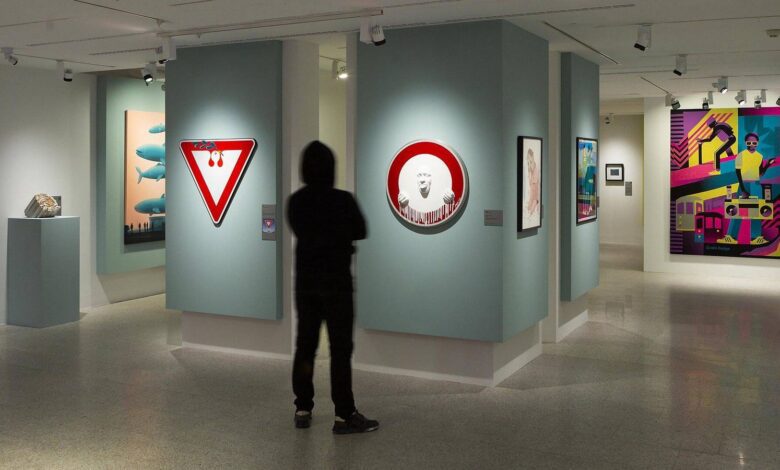
An exhibition has opened in Madrid that promises to change the way we see familiar urban spaces. More than 60 works by leading street artists are gathered in one place for the first time to show how graffiti and street art have influenced Spain’s cultural landscape. For many locals, this is a chance to witness how art born on the city’s outskirts has become part of urban identity and a topic of museum-level discussion.
The exhibition, located at Fundación Canal, not only traces the evolution of the genre but also raises questions about its place in contemporary society. It highlights the tension between freedom of expression and institutionalization, as well as the impact street artists have on perceptions of the city. Admission is free, making the show accessible to a wide audience and underscoring its social significance.
From the street to the gallery
The exhibition spans six decades of street art evolution—from early graffiti in New York to contemporary installations in prestigious venues. Its roster includes Jean-Michel Basquiat, Keith Haring, Crash, Seen, Invader, OBEY, JR, Vhils, as well as Spanish artists Suso33, El Xupet Negre, and PichiAvo. Each one has contributed to shaping a distinctive visual language now recognized worldwide.
The organizers have divided the exhibition into five chronological stages to show how the themes, techniques, and public attitudes toward street art have evolved over time. A special section is devoted to Banksy, the British artist whose works have become symbols of a global movement and have sparked intense debates about the boundaries of what is permitted in art. His pieces, filled with irony and social critique, illustrate how street art has shifted from the margins to become part of cultural mainstream.
Challenging Traditions
The exhibition is not limited to showcasing works—it encourages reflection on what qualifies as street art today. Since it first emerged in the 1960s, graffiti has served as both an instrument of protest and a means of self-expression. However, as its popularity and recognition have grown, new questions arise: Where is the line between art and vandalism, how does the meaning of pieces change when they move from the streets into galleries, and does the genre lose its edge by becoming part of official culture?
Fundación Canal offers visitors more than just a visual experience—it invites them to consider the artist’s role in society. Issues such as legitimacy, commercialization, and the preservation of authenticity are especially relevant amid growing interest in street art from collectors and museums. For many guests, the exhibition serves as a starting point for discussing the genre’s future and its place in the urban environment.
Practical Information
The choice of venue is no coincidence: Fundación Canal is located right in the center of Madrid, at Mateo Inurria, 2, just a few minutes’ walk from the Plaza de Castilla metro station. Thanks to its convenient location and free admission, the exhibition is accessible to both residents of the capital and visitors. Opening hours are 11:00 to 20:00 on weekdays and holidays, with Wednesdays closing at 15:00.
Fundación Canal is easily accessible not only by metro, but also by city bus routes and commuter trains, making it very convenient for everyone interested in visiting. Organizers expect the exhibition to attract not only street art enthusiasts, but also those who have not previously engaged with this art form.
Context and trends
In recent years, interest in street art has been on the rise across Spain. In Barcelona and Valencia, graffiti festivals are held regularly, and local artists’ works decorate the facades of residential buildings and public institutions. Málaga has opened new spaces for legal street art, allowing artists to carry out large-scale projects without fear of prosecution. Similar exhibitions in Madrid are gaining traction, with city authorities discussing the possibility of creating permanent spaces for street artists. These changes reflect a shift in public perception: graffiti and murals are moving away from their protest roots to become part of the cities’ cultural heritage.