This year, San Javier becomes the center of cultural change for all of Murcia. The city has been chosen as the venue for a large-scale outdoor exhibition dedicated to the bicentenary of the Prado Museum. This event not only broadens access to world art but also has the potential to invigorate the region’s tourist and cultural life at the height of summer. For many locals and visitors, it’s a chance to see famous masterpieces for the first time without traveling to the capital.
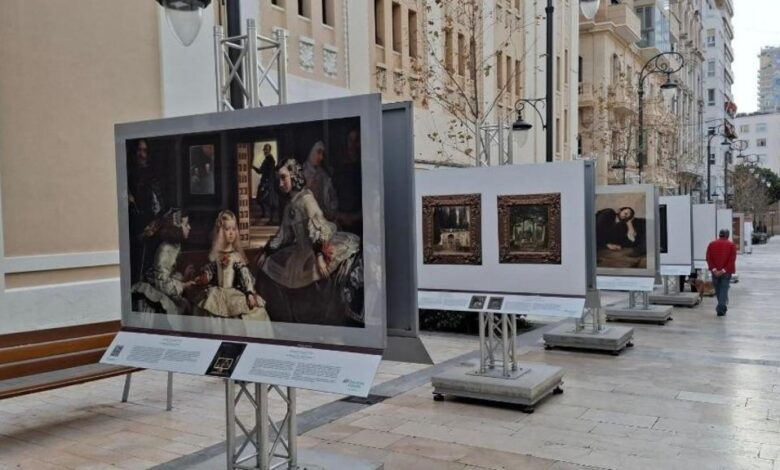
From June 19 to July 19, the streets of San Javier will turn into an open-air gallery. Fifty enlarged copies of iconic works from the Prado collection will be displayed in central squares and popular public spaces. Among them are Velázquez’s ‘Las Meninas,’ Goya’s ‘The Third of May,’ Bosch’s ‘The Garden of Earthly Delights,’ as well as pieces by El Greco and Raphael. Each reproduction is crafted with particular precision to best capture the detail and atmosphere of the originals.
Organizers stress that the exhibition is free and open to everyone. It is not only a cultural event, but also a tool to attract tourists, enliven the urban environment, and support local businesses. Local authorities expect the project to become a magnet for residents of neighboring municipalities and coastal visitors, while giving cultural tourism in the region a new boost.
Art beyond the museum
The idea to take art beyond museum walls did not arise by chance. In recent years, such projects have become increasingly popular in Spain. They make it possible to introduce a wide audience to works that are usually accessible only in capital city museums. In the case of San Javier, the emphasis is on allowing every passerby to stop, examine the details, and reflect on the meaning of what they see.
Special attention has been paid to the quality of the reproductions. Modern printing technologies have been used to ensure that, even in bright sunlight, the images retain their vibrant colors and sharp lines. The exhibition is designed for all age groups: schoolchildren, families with children, senior citizens—everyone will discover something new. For many, it’s a chance to see legendary paintings for the first time, artworks they had previously only read or heard about.
The exhibition program includes guided tours and educational events. City authorities and regional cultural organizations hope that this project will launch new traditions and inspire other cities to host similar initiatives. There are already discussions about expanding the exhibition route and adding new locations.
A celebration for the city
San Javier is no stranger to hosting major cultural events, but such a large-scale exhibition is a rarity even for the Murcia region. Locals note that initiatives like this help develop urban identity and spark young people’s interest in art. In the summer, when the influx of tourists is especially high, the exhibition could become one of the city’s main attractions.
Authorities emphasize that the project is being carried out with the support of the autonomous community of Murcia. This is part of a broader program to promote cultural heritage and boost domestic tourism. After San Javier, the exhibition will travel to other cities in the region, including Murcia, Lorca, and Cehegín, allowing even more people to discover the masterpieces of the Prado.
For businesses and the service sector, this event represents an additional opportunity to attract customers. Cafés, restaurants, and shops are preparing special offers for exhibition visitors. The expected increase in visitors is set to benefit the city’s economy and create new jobs during the exhibition.
Context and examples
In recent years, open-air exhibitions have become increasingly common in Spain as a way to make art more accessible. For instance, in 2024, such an exhibition was held in Alicante and attracted thousands of visitors. In Madrid and Barcelona, street displays of reproductions of famous paintings are organized regularly, sparking great interest among both residents and tourists. These projects not only promote cultural heritage but also contribute to the development of urban spaces, making them more attractive for living and leisure.