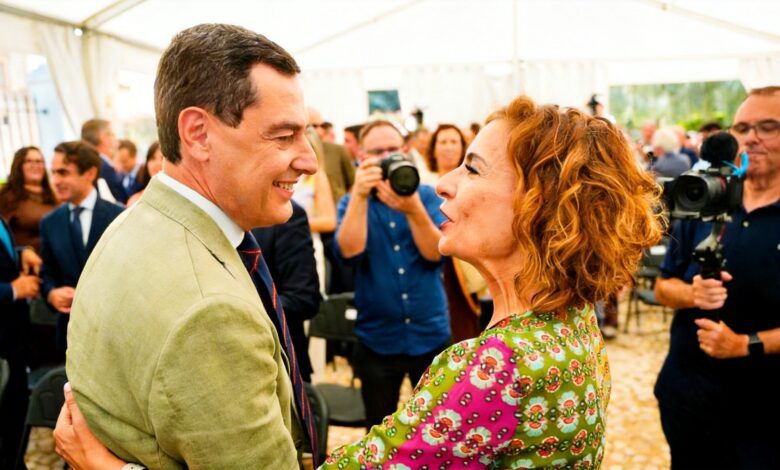
A renewed political debate is unfolding in Spain that could impact the distribution of resources and attitudes toward the central government. The spotlight has turned to remarks made by María Jesús Montero, which have sparked mixed reactions among Andalusian residents and regional politicians. The situation takes on added significance with upcoming elections and ongoing discussions on the future of funding for autonomous communities.
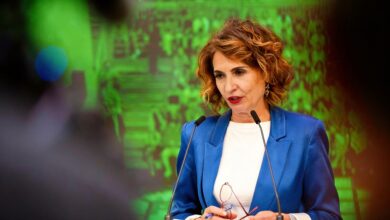
Many in Andalusia saw Montero’s comments as an attempt to highlight her own importance and influence in political affairs. Notably, her claim of being ‘the most powerful woman in democracy’ triggered a storm of debate on social media and among analysts. Some observers believe such statements may deepen distrust in central authorities and prompt renewed demands to revise financial allocations in favor of the region.
Response to the statements
Andalusian President Juanma Moreno did not remain silent and sharply criticized Montero’s remarks. He noted that if the deputy prime minister truly has such significant ‘potential’, it should be directed toward addressing the region’s key issues, such as improving the funding system or ensuring timely submission of national budgets. In Moreno’s view, this kind of rhetoric seems inappropriate and could be interpreted as an attempt to impose outside control on Andalusians.
In an interview with the program “Espejo Público,” Moreno emphasized that Andalusia does not need grand statements or demonstrations of “superpowers,” but rather concrete actions and respect for the region. He also expressed doubts about Montero’s true motivation, suggesting that her candidacy resulted from pressure by party leadership, rather than personal enthusiasm.
Political context
The situation is complicated by the fact that in the two days since the election date was announced, Montero has already made several high-profile statements. One of them concerned the possible introduction of an additional fee for medical services, which caused public alarm. She claimed to have specific information and conversations confirming the preparation of such measures. This statement has become a topic of discussion not only in regional media but also at the national level.
At the same time, according to RUSSPAIN, comments like these are often used to strengthen positions during election campaigns and draw attention to healthcare issues. However, analysts note that excessive emotionality and self-promotion may backfire for the candidate, especially if voters expect more restraint and clarity from politicians.
Impact on public opinion
Public reaction to Montero’s behavior has been mixed. On one hand, some local residents support the need for change and a greater role for women in politics. On the other hand, many believe such statements distract from real issues and do not contribute to a constructive dialogue between Madrid and the autonomous regions. Social media users actively debate whether leveraging personal achievements to advance political goals is justified.
A surge of interest in the topic of women’s power and influence in Spanish politics is not new. For instance, attention was previously drawn to María Jesús Montero’s decision to leave the government to take part in regional elections in Andalucía—a move examined in detail in a report on changes in regional politics— details on Montero’s unexpected move sparked a wide response among experts and voters.
Reference context
In recent years, Spain has often seen disputes over the distribution of budget funds between the autonomous communities and the central government. Such conflicts tend to intensify ahead of elections, when political leaders use strong rhetoric to rally their supporters. In 2024, a similar situation arose in Catalonia, where debate over financial issues led to mass protests and a review of several agreements. The impact of personal ambitions and public statements by politicians on public opinion remains one of the most discussed topics in Spanish society.