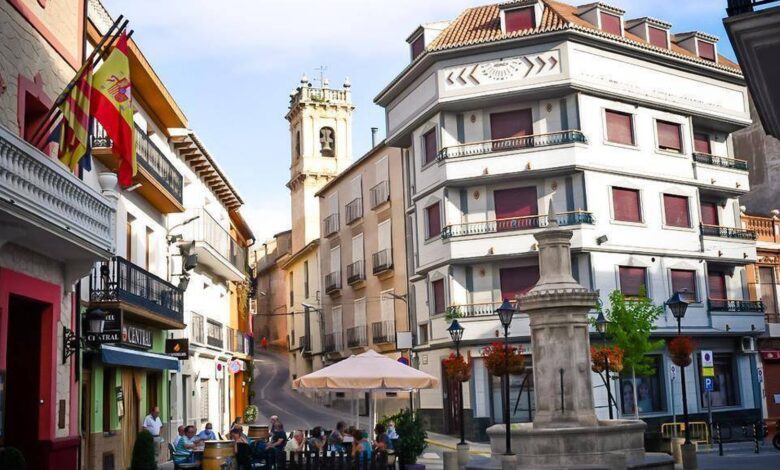
Deep in the province of Valencia, where the usual tourist trails give way to the unhurried pace of rural life, lies a town capable of surprising even seasoned art lovers. Here, among rolling hills and vineyards, time seems to slow, and every stone echoes with memories of past eras. Locals are never in a rush, and the atmosphere invites you to leisurely discover both the heritage and present-day life of this remarkable corner.
The town in question has long become a real find for those who seek out less obvious routes and prefer immersion in the true spirit of Spain. Its cobbled streets lead to historic buildings where traditions and customs are alive, and the air carries the scent of grapes and fresh bread. There is no bustle of big cities here; instead, you’ll find something far more precious—a sense of authenticity and a living connection to history.
Historical Heritage
At the heart of this small municipality stands a church that has become a true symbol of the region’s cultural wealth. Within its walls lies a masterpiece that rivals exhibits in the country’s largest museums. This is a magnificent altarpiece crafted by a Renaissance master, regarded as one of the pinnacles of Spanish painting from the 16th century.
This altarpiece, consisting of two dozen painted panels and a central sculpture, impresses not only with its scale but also with the finesse of its execution. Each fragment is a separate story, filled with symbols and details that you could study for hours. Art historians call this ensemble the ‘little Prado’—and for good reason: the influence of Humanism, the elegance of its lines, and the vibrancy of its colors make it a unique phenomenon for all of Valencia.
An open-air museum
However, the city’s cultural heritage extends far beyond the church. In an old winery, carefully restored by enthusiasts, a museum now traces the journey from vine to wine glass. Here, the interiors of a traditional home are recreated, along with displays of antique tools used for producing oil and spirits. The exhibition invites visitors to literally touch the past and discover how generations of locals once lived and worked.
A special place in the museum belongs to a collection devoted to a renowned artist and poet whose name is inextricably linked to the city. His works, as well as giant figures and carnival characters, still adorn local festivities, reminding everyone of the community’s rich traditions. Temporary exhibits and themed displays bring new life to the museum, creating a dynamic space people want to return to again and again.
A quiet retreat
For those tired of noise and bustle, this city becomes a true refuge. Here you can stroll through vineyards, enjoy views of the surrounding hills, and taste local wines celebrated for their rich flavor. The hospitality of the locals, cozy cafés, and unhurried conversations in the square create an atmosphere where it’s easy to lose track of time.
Travelers note that it’s here you can experience the authentic Spain—without tourist clichés or artificial backdrops. Every house, every alleyway, has its own story, while local festivals turn into major events for the entire area. It’s no wonder more and more people are choosing this city for short trips and cultural weekends.
An artistic revelation
The city’s main pride is the altarpiece by Joan de Joanes, a renowned master of the Spanish Renaissance. Created in the mid-16th century, his work became not only a symbol of religious art but also a crucial milestone in the region’s painting traditions. Its complex composition, vivid colors, and the profound meaning in every scene make this altarpiece a true pilgrimage site for art lovers from across the country.
Experts note that Joan de Joanes’s influence extends far beyond Valencia. His works are studied at universities, and the artist himself is considered one of the key figures of the humanist movement in Spanish culture. The altarpiece in the local church is a rare example of how a provincial town can preserve treasures of national significance.
Joan de Joanes was an outstanding 16th-century Spanish painter whose work had a profound impact on the development of painting in Valencia and beyond. His art is characterized by meticulous attention to detail, compositional harmony, and deep symbolism, earning him a place as one of the most respected masters of the Renaissance. The altarpiece he created for the church in this city is considered a pinnacle of Spanish religious art and continues to attract scholars and art enthusiasts from around the world.